8 hr
Corcovado Sirena Station Wildlife Trek with Lunch
- Expert local guide
- Small group
- Skip-the-line access
Corcovado Overnight Tour from Puerto Jimenez — Multi-Day Wilderness Expeditions
Deep rainforest immersion beyond day-trip reach, where tapirs cross trails at dawn
Compare fares, pick the fit — all bookings are mobile-voucher and eligible for free cancellation where shown.
8 hr
8 hr
9 hr
Choosing the right corcovado overnight tour from puerto jimenez depends on your preference for boat-based access or immersive jungle trekking. These organized packages streamline the mandatory permit process and include certified guide services necessary for all park entry.
| Boat-In/Boat-Out Convenience Focus |
Top pick Hike-In/Boat-Out Immersive Adventure |
|
|---|---|---|
| Access Method | Boat transfer from Puerto Jimenez | 4x4 drive and jungle trekking |
| Physical Intensity | Moderate/Low | High (20km+ hike) |
| Park Access | Sirena Ranger Station | La Leona or Los Patos to Sirena |
| Included Meals | Dinner, breakfast, and lunch | Dinner, breakfast, and lunch |
| Permits & Guide | Included | Included |
| Best for | Families and short-time visitors | Experienced hikers and wildlife enthusiasts |
| See tickets & prices |
Verdict: For the best experience, most first-time visitors should choose the Hike-In/Boat-Out tour to fully appreciate the park's biodiversity while securing those corcovado overnight tour from puerto jimenez tickets in advance.
Worth it for serious wildlife enthusiasts
A corcovado overnight tour from puerto jimenez delivers access no day trip can match—dawn and dusk at Sirena Station, when tapirs move through open beaches and jaguars hunt along forest edges. The available day trips from Puerto Jimenez cover La Leona or boat access to San Pedrillo, but neither puts you inside the park during prime wildlife hours. Overnight stays require a certified guide, ranger station lodging (basic platform bunks), and meals hauled in—costs run significantly higher than single-day excursions. The value equation hinges on your tolerance for humidity, hiking stamina, and whether seeing Central America's most biodiverse rainforest at its most active justifies the physical and financial investment. Casual visitors satisfied with monkey sightings and coastal trails will find day hikes sufficient. Photographers, birders, and anyone prioritizing rare mammal encounters—peccaries, anteaters, ocelots—need the overnight window when the forest canopy wakes up and most tourists are still hours away.
Bottom line: If you're serious about wildlife observation and can handle the logistics, the overnight Corcovado tour from Puerto Jimenez unlocks experiences day visitors simply cannot access.
The overnight option provides a superior chance to observe wildlife during active dawn and dusk periods, whereas a Corcovado day tour from Puerto Jimenez offers a simpler, less logistically demanding jungle experience.
|
Top pick Overnight Tour |
Day Tour | |
|---|---|---|
| Duration | 2 days / 1 night | 1 day (6–8 hours) |
| Wildlife Activity | Dawn and dusk windows | Midday peak only |
| Accommodation | Sirena Ranger Station bunk | None (base in town) |
| Physical Intensity | High (multiple hikes) | Moderate (single excursion) |
| Logistics | High (gear, permits, food) | Low (daypack only) |
| Booking Constraint | Reserve months in advance | Book days in advance |
| Primary Benefit | Deep jungle immersion | Time efficiency |
| See tickets & prices |
Verdict: Choose the corcovado overnight tour from puerto jimenez if you prioritize maximum biodiversity sightings, but opt for a day trip if you prefer the comfort of town-based lodging over simple station bunks.
Hand-picked experiences loved by thousands of travelers
10 hours
Free Cancellation
Discover one of Earth's most wildlife-rich regions on a guided rainforest trek through pristine habitat
8 hours
Free Cancellation
Navigate the Pacific coast to explore one of Costa Rica's most wildlife-rich rainforest reserves
7.5 hours
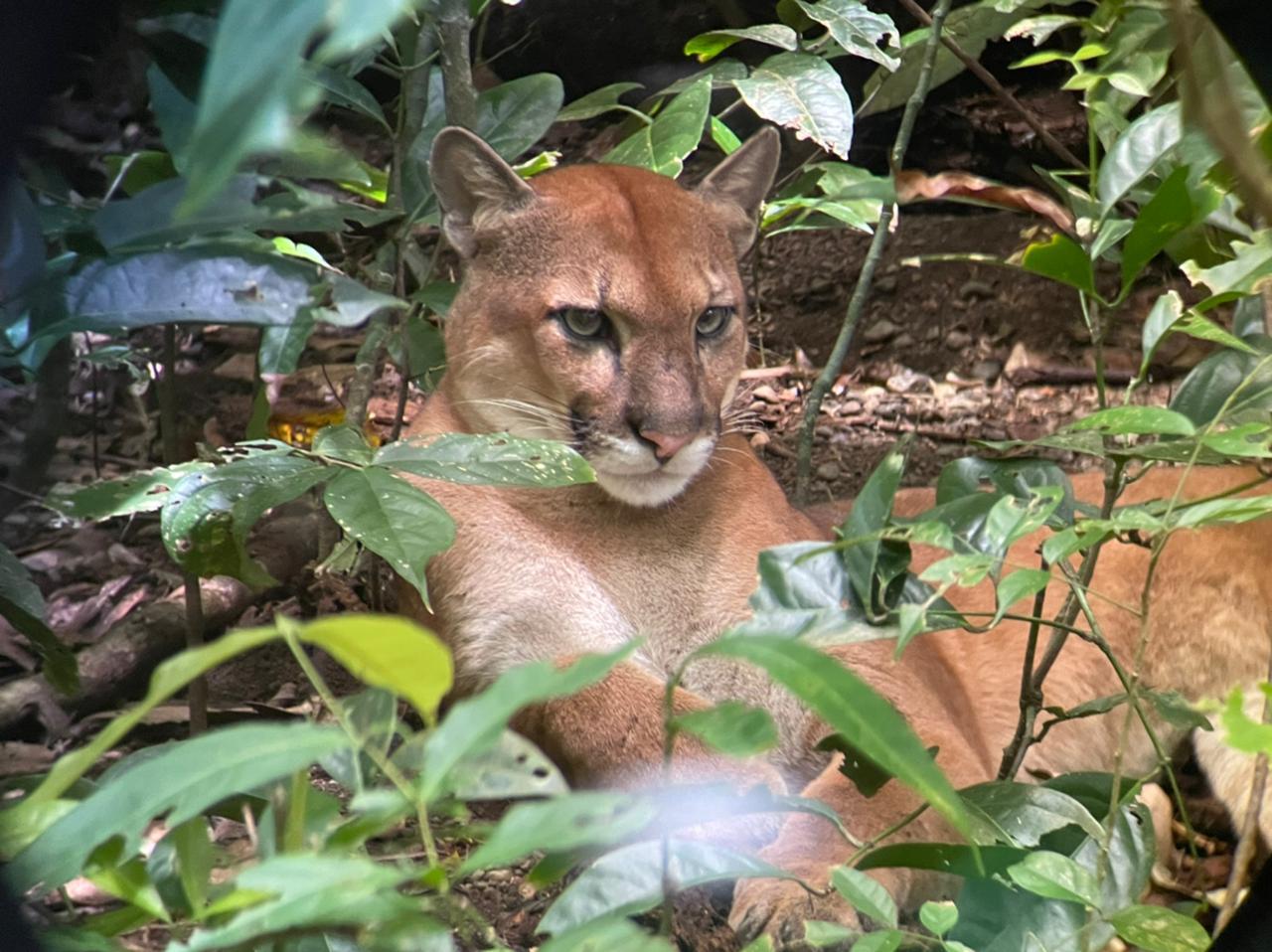
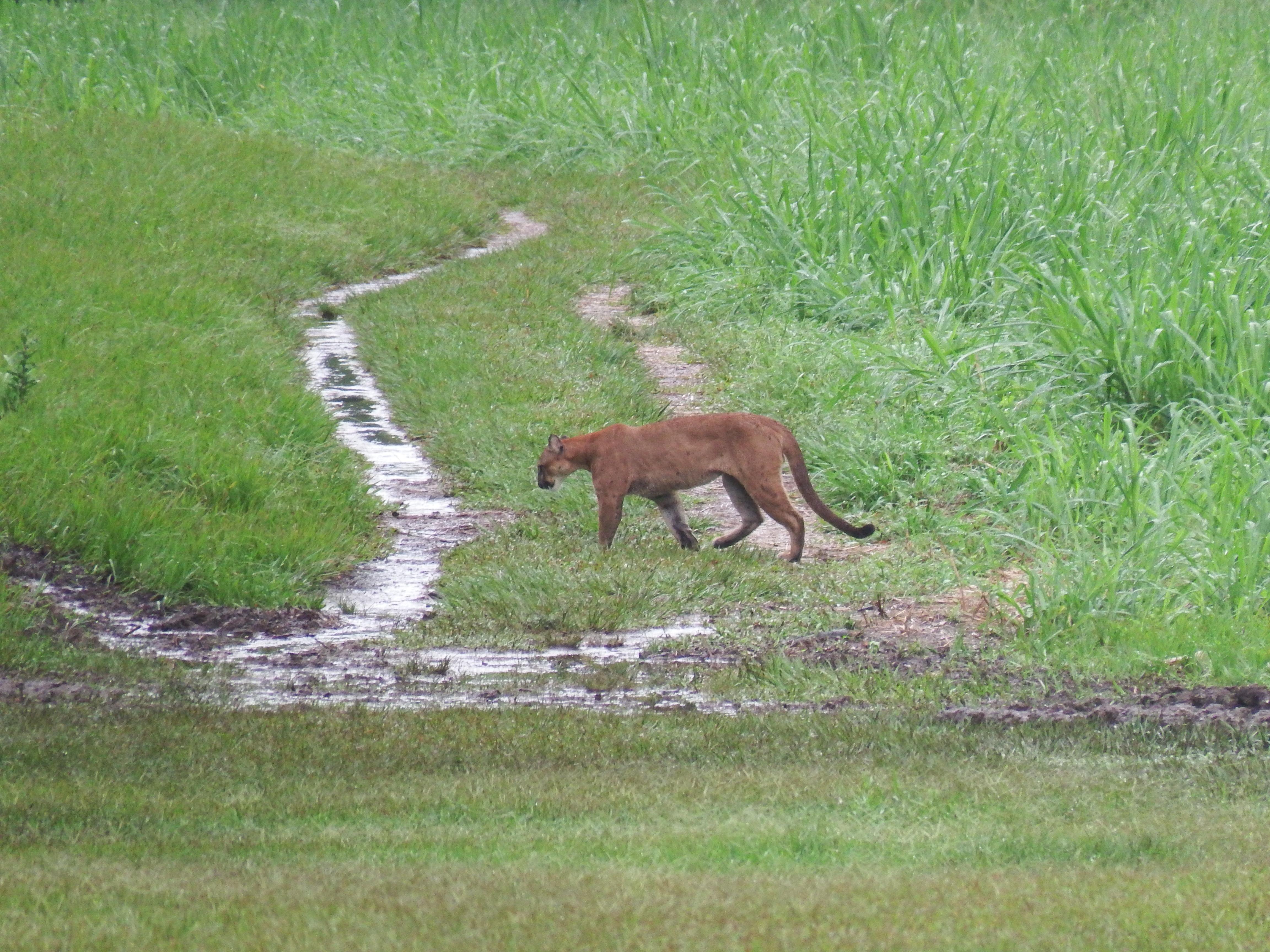
Journey through ancient rainforest where pumas roam and centuries-old trees tower above coastal trails
5 hours
Free Cancellation
Explore one of Earth's most biodiverse rainforests on a guided early-morning expedition through pristine jungle
2 days
Free Cancellation
Two-day immersive journey into one of Earth's most wildlife-rich rainforests with expert-led exploration
2 days
Two-day wilderness expedition through Costa Rica's most biodiverse national park with overnight stay
2 days
Free Cancellation
Intimate two-day wildlife adventure in Costa Rica's most biodiverse park with overnight jungle stay
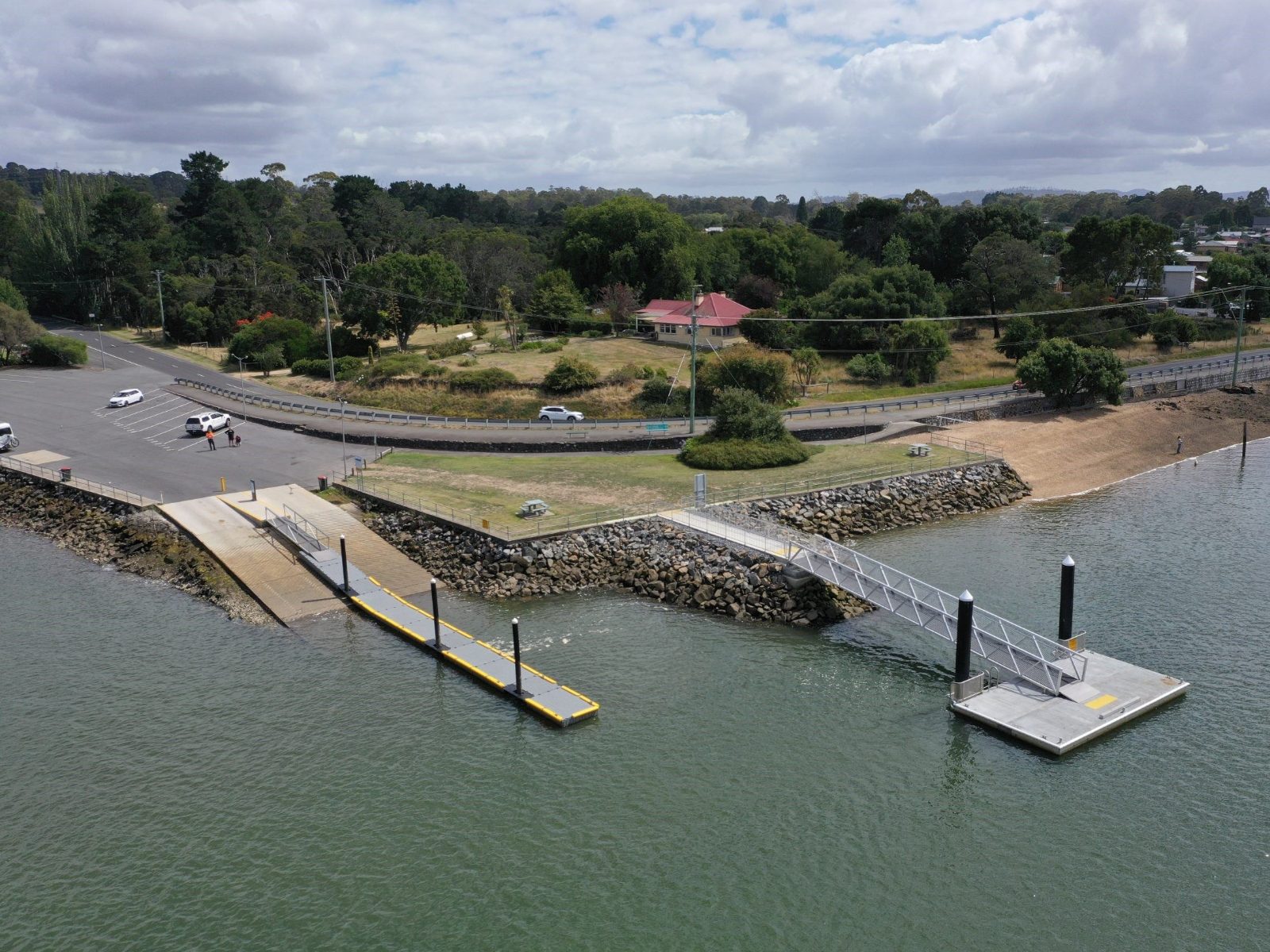
Boat transit from Puerto Jimenez pier to Sirena Station
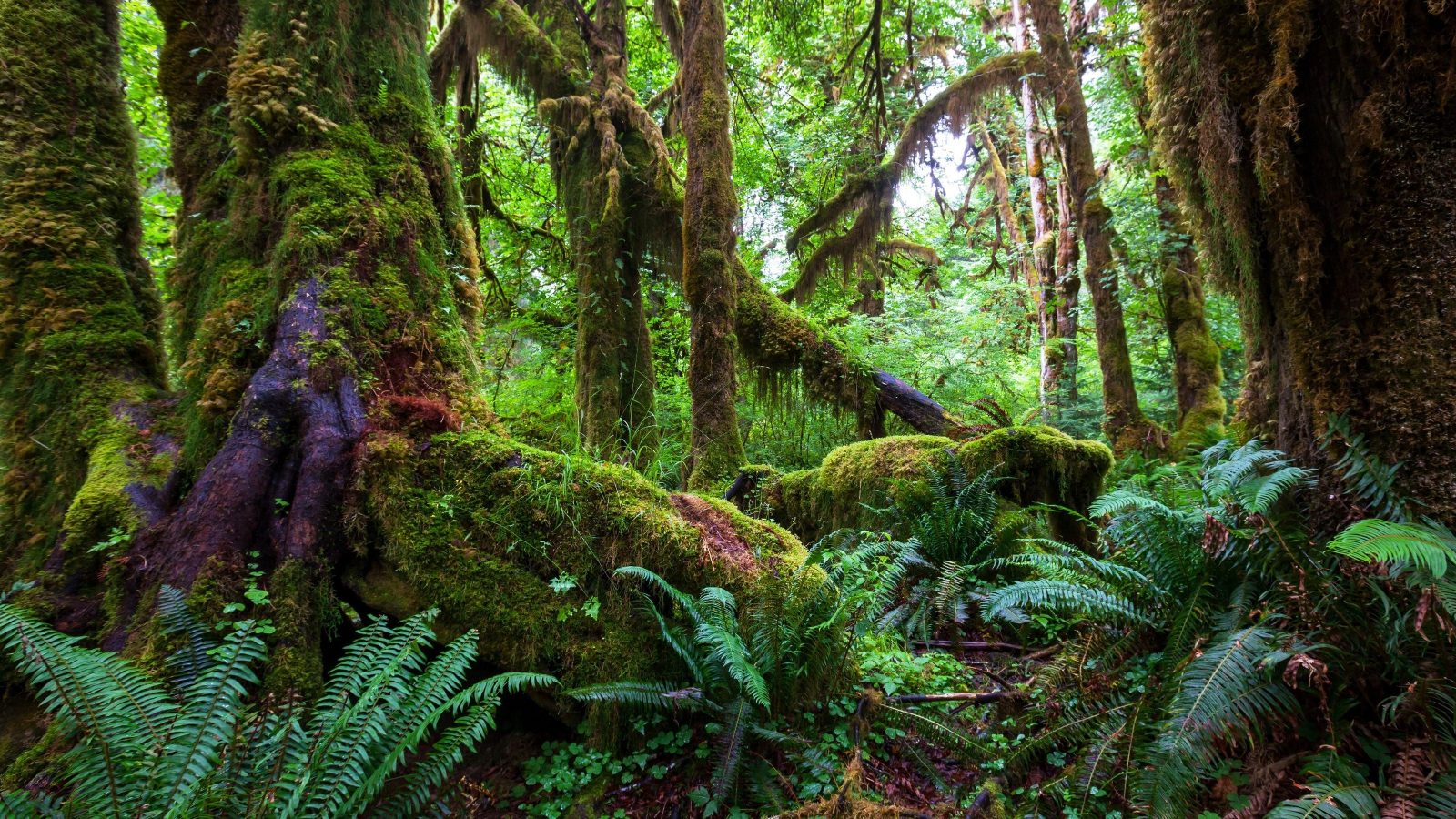
Guided exploration of primary rainforest trails
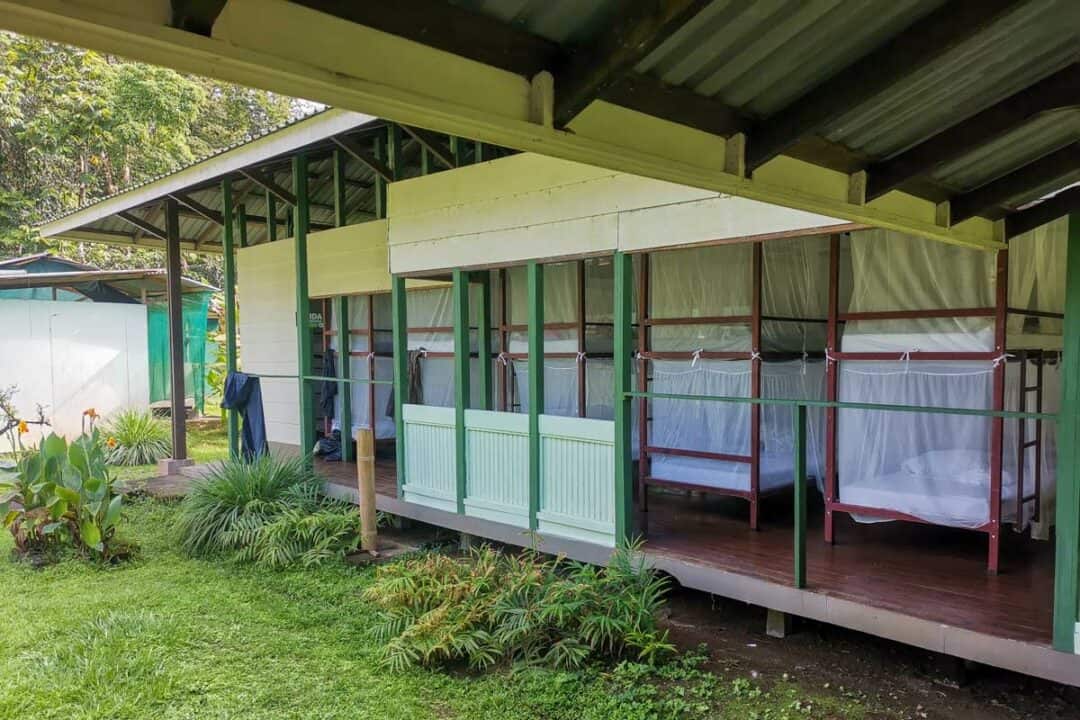
Stay at rustic Sirena Ranger Station bunkhouse
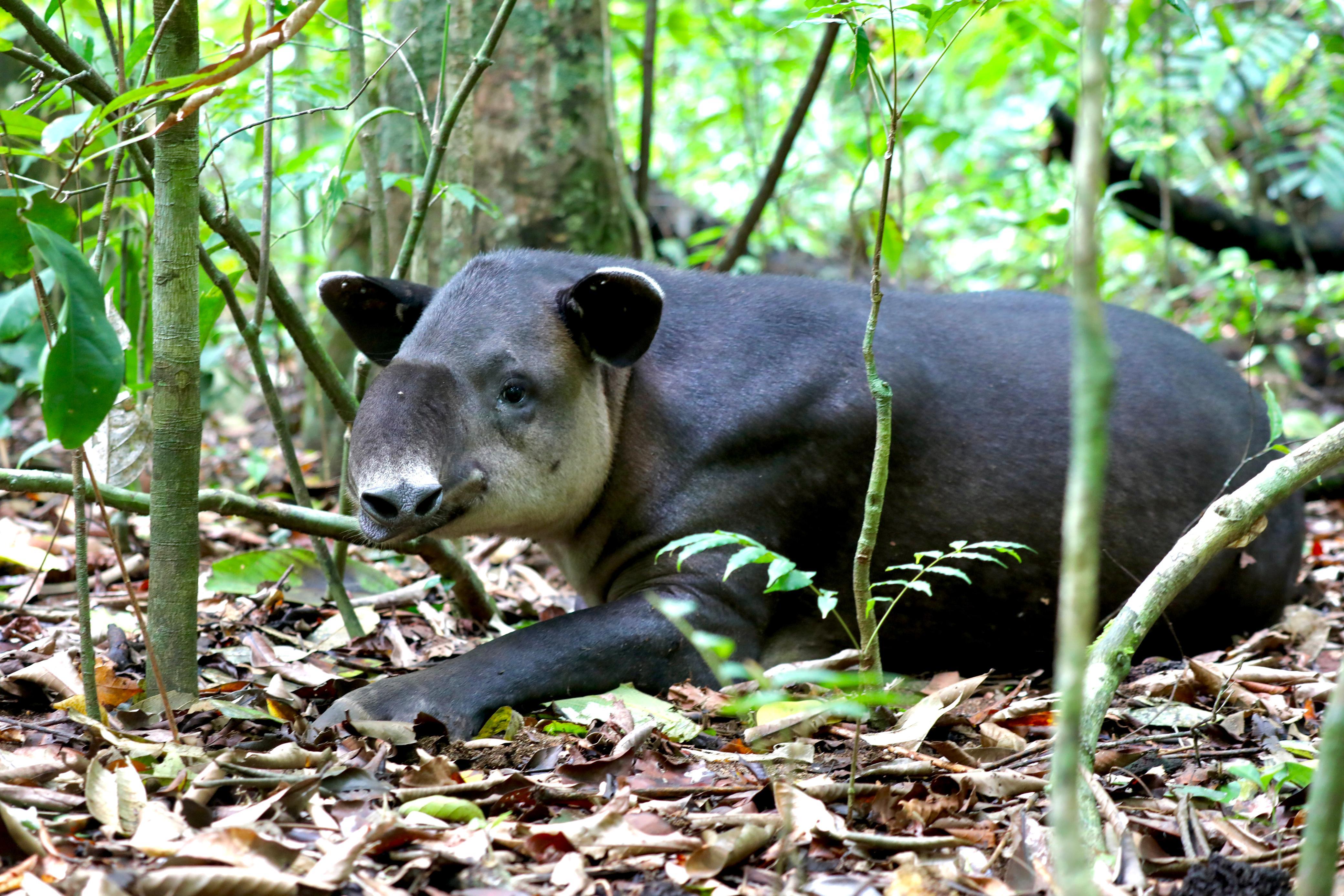
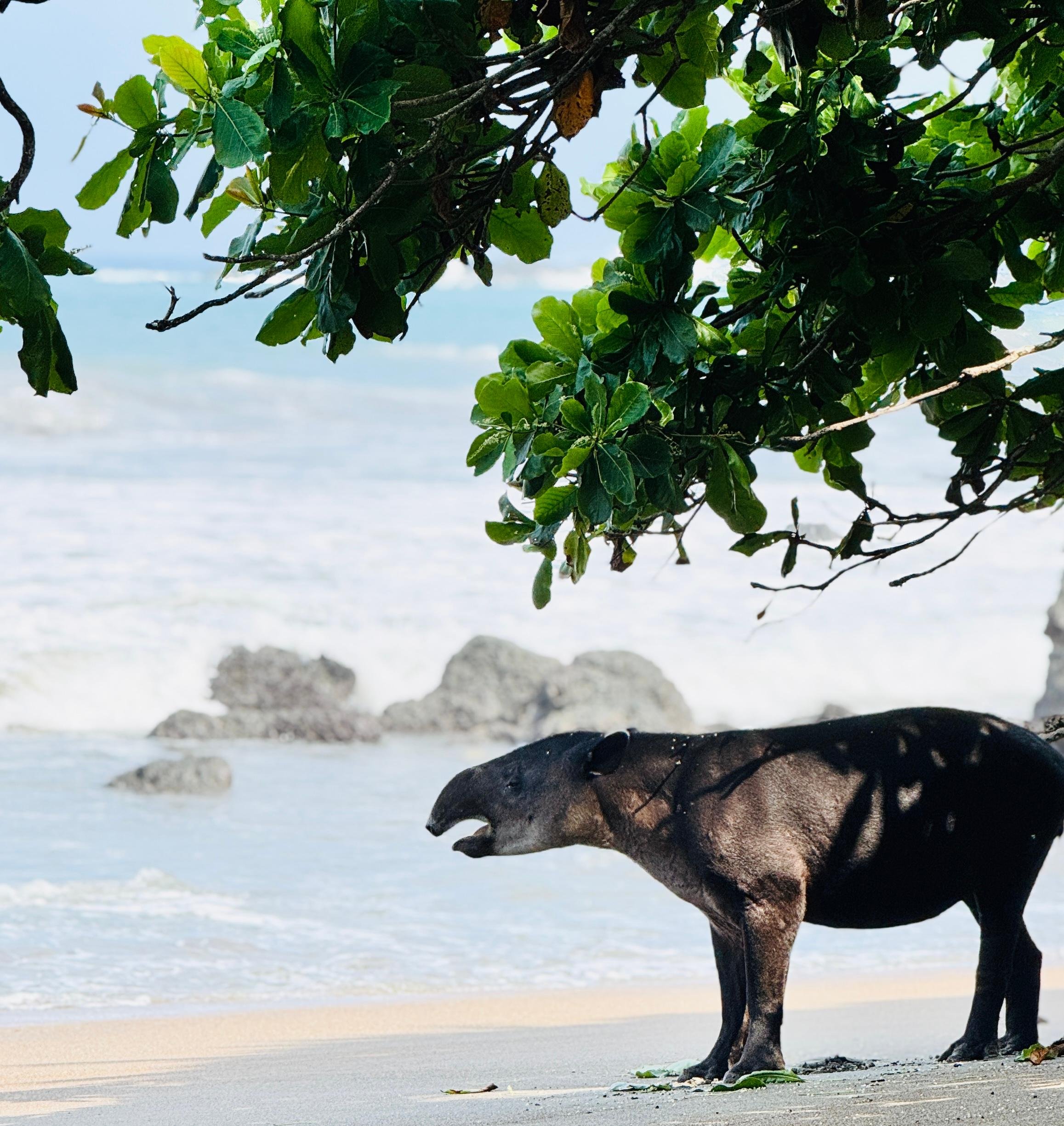
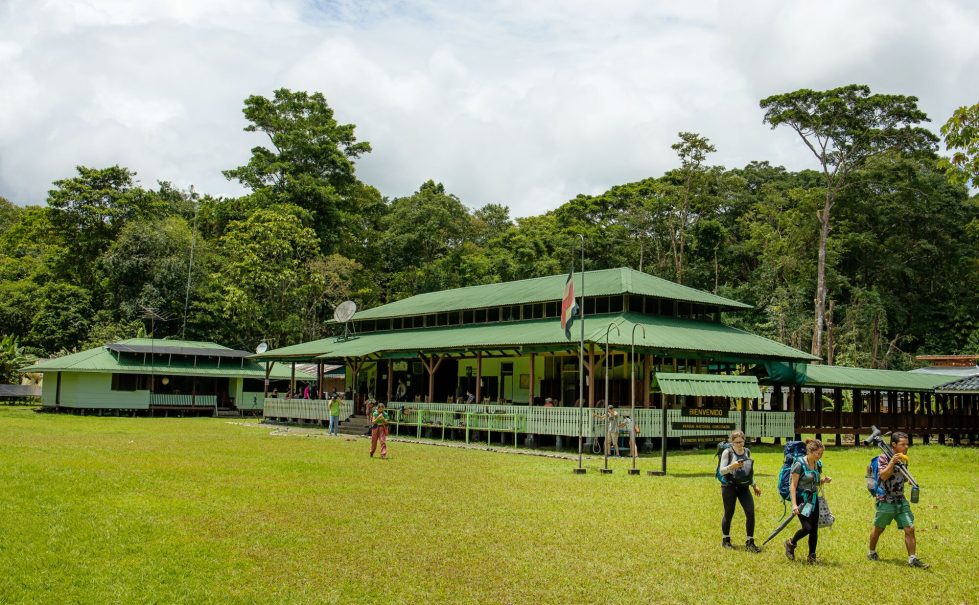
This central hub is the most wildlife-rich area of the park, where tapirs are often seen on the airstrip. It serves as the primary base for all overnight stays within the deep jungle.
The journey from Puerto Jimenez offers a scenic 1.5-hour boat ride along the Pacific coast with chances to spot dolphins. This transit provides the best vantage point for viewing the Osa Peninsula's rugged shoreline.
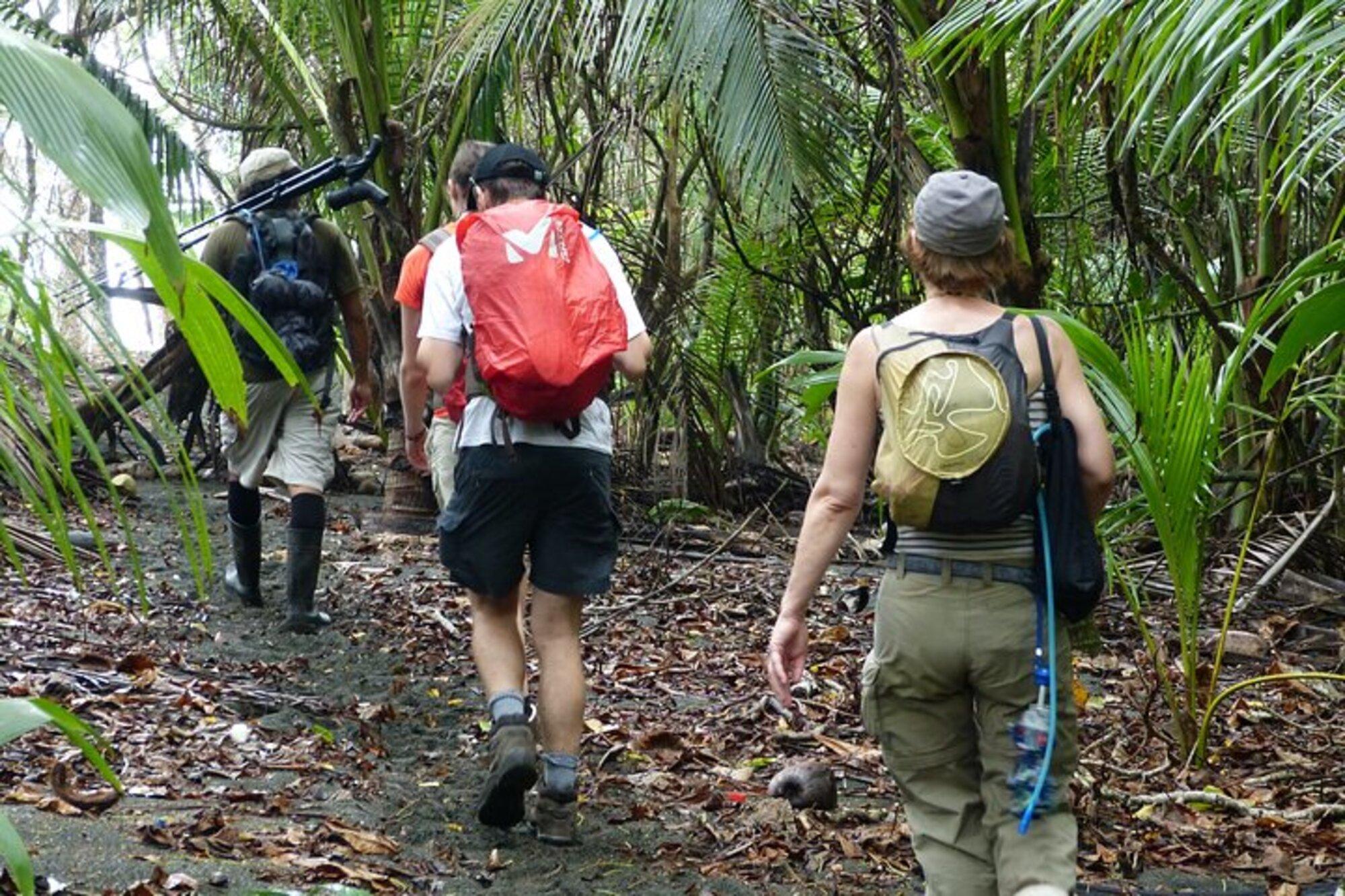
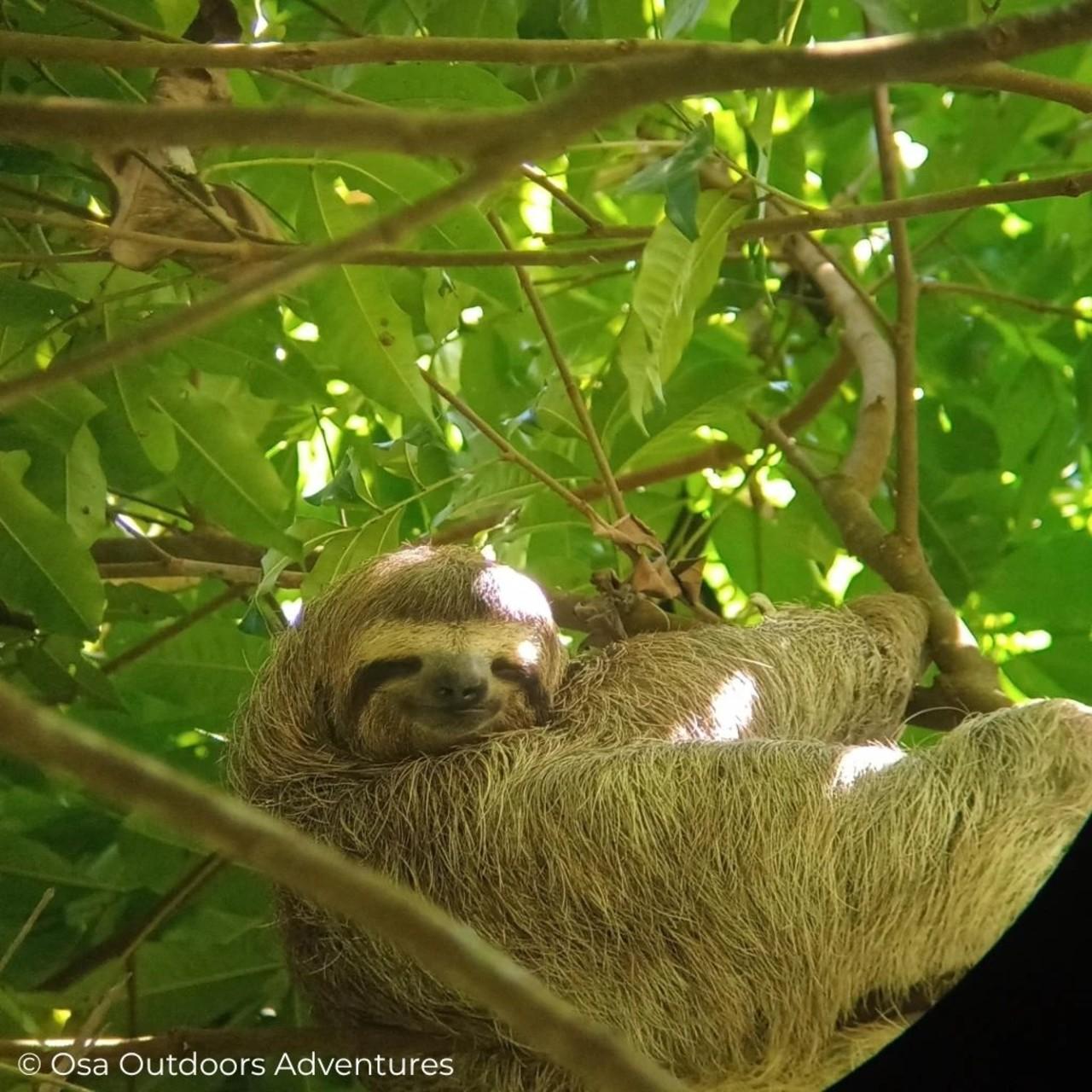
These trails cover the largest remaining primary forest on the American Pacific coastline. Visitors can observe four species of monkeys and a massive variety of tree species.
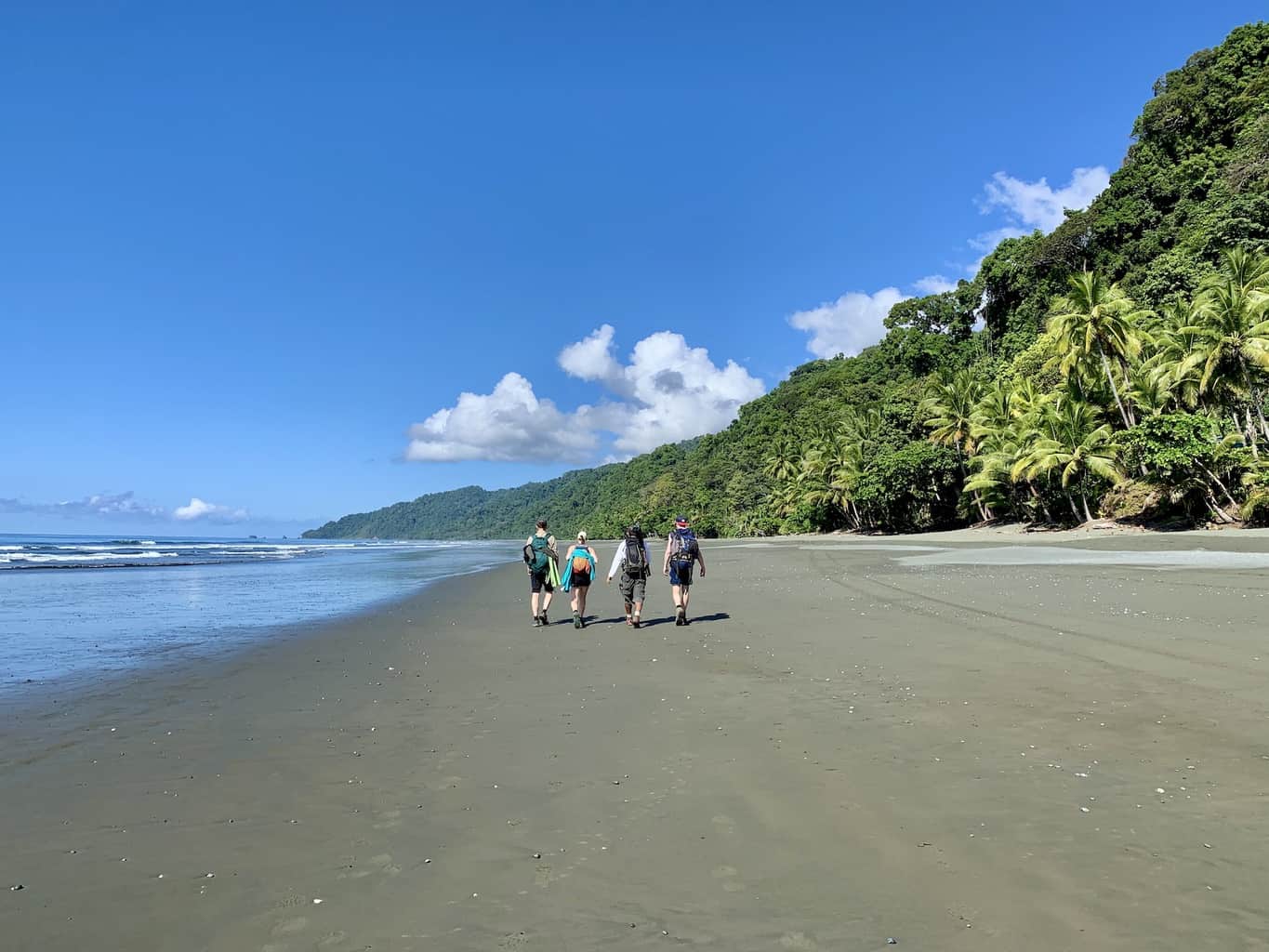
Famous for its dramatic beach and jungle views, this path connects the southern entrance to the station. The trail offers a mix of shade and open beach trekking.
You leave Puerto Jimenez before sunrise, driving the final gravel kilometers to Carate, where the road surrenders to beach. The coastal trail to La Leona Ranger Station runs 3.5 kilometers across packed sand and tidal zones—you time the crossing for low tide, waves brushing your boots.
At La Leona you sign the registry and pay the 15 USD conservation fee, then turn inland along the Rio Madrigal. The trail alternates between riverbed crossings and forest tunnels, roots slick underfoot.
By midday you reach Sirena Station, 16.5 kilometers from Carate. You claim a platform tent, store your pack, and walk the station's short loop trails. A troop of spider monkeys moves overhead, vine-swinging between cecropia crowns. Near the Rio Claro footbridge, a Central American agouti—rust-colored and rabbit-sized—forages in leaf litter. Your guide points to fresh tapir tracks in the mud: three-toed prints the size of dinner plates. At dusk you sit on the station's observation deck. A great curassow, black and crested, crosses the clearing. The forest hums with cicadas and tree frogs.
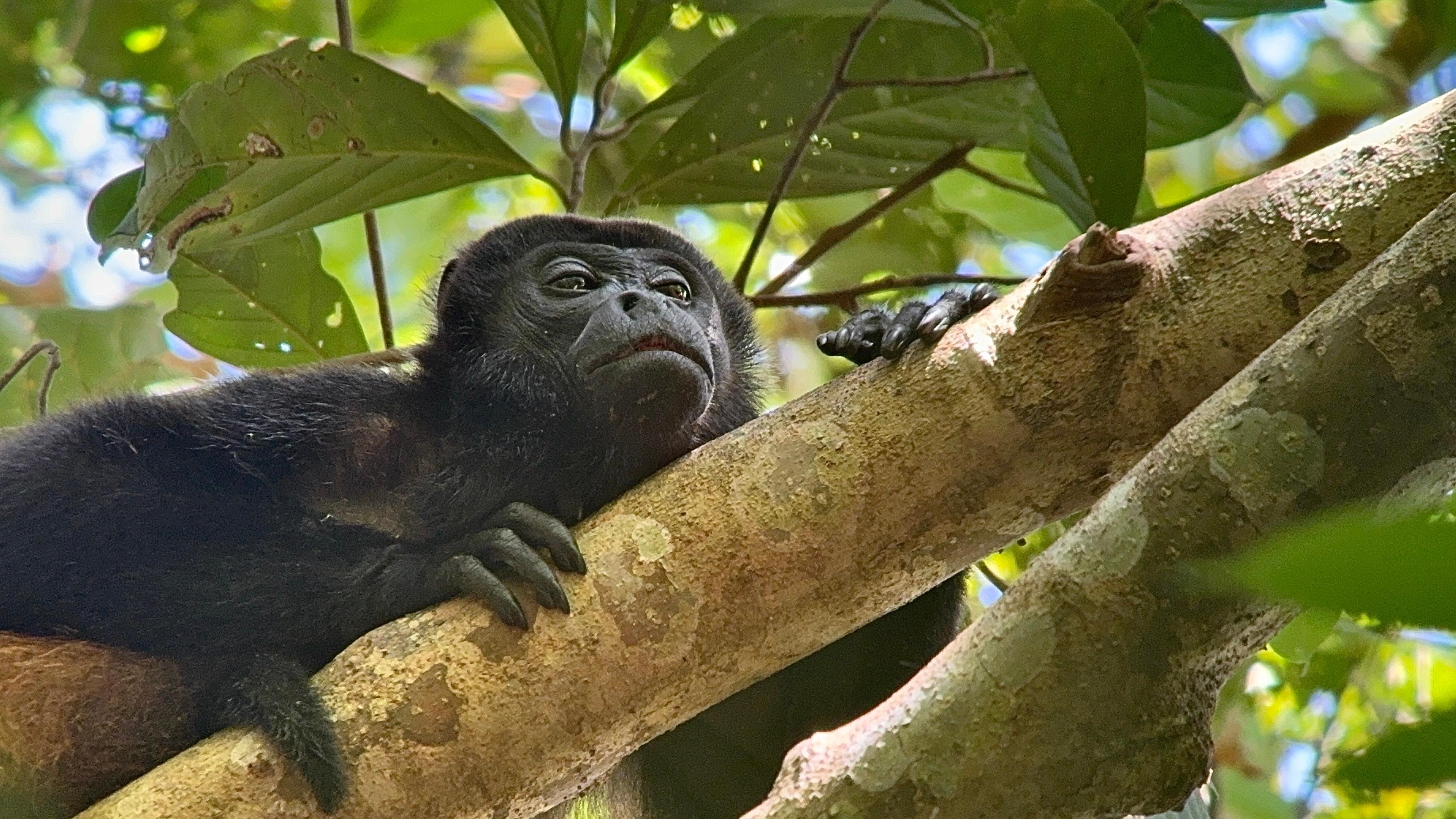
You rise at 4:30 a.m. for the dawn wildlife walk. Howler monkeys roar from the canopy. Near the airstrip clearing, your group pauses: a Baird's tapir, barrel-bodied and prehistoric, browses palm fronds 20 meters away, indifferent to cameras. A pair of scarlet macaws flies overhead, their calls sharp against the gray sky. You return to Sirena for breakfast, then begin the return trek to Carate, legs heavy but notebooks full.
All the details about your upcoming adventure in one place
Corcovado National Park protects 424 square kilometers of lowland Pacific rainforest on Costa Rica's Osa Peninsula, a wedge of land National Geographic once called the most biologically intense place on Earth. The park shelters 2.5 percent of the planet's biodiversity within 0.001 percent of its surface.
Jaguars, Baird's tapirs, all four Costa Rican monkey species, and 140 mammal species share trails with harpy eagles and scarlet macaws overhead. The density is a function of isolation: Corcovado remained roadless until the 1970s, and gold miners who briefly settled the interior were evicted when the park was established in 1975.
Puerto Jimenez, a former logging town on the peninsula's eastern shore, serves as the gateway for multi-day expeditions into the park. The town sits 35 kilometers from Sirena Ranger Station, the park's central node, accessible only by foot or boat. Unlike Costa Rica's drive-through reserves, Corcovado requires commitment. Day visitors reaching La Leona or San Pedrillo stations see a fraction of what overnight trekkers encounter. A corcovado overnight tour from puerto jimenez tracks deeper into primary forest, where wildlife moves freely after tour boats depart and the midday heat fades.
Sirena Station, positioned where the Rio Claro meets the Pacific, offers the park's only interior lodging: platform tents and shared bunk facilities surrounded by cecropia groves and strangler fig corridors. The station sits at the intersection of coastal, riverine, and upland ecosystems. Baird's tapirs—Central America's largest land mammal—emerge from riverside thickets at dusk. Researchers stationed at Sirena have documented 367 bird species within ten kilometers of the clearing. White-lipped peccaries travel in herds of 80 to 100, their grunts audible half a kilometer away. Bull sharks swim 15 kilometers upriver from the ocean.
Overnight permits are capped at 60 visitors per day across all entry points. The 15 USD daily conservation fee funds trail maintenance, wildlife monitoring, and ranger patrols that deter poaching. Guided corcovado overnight tours from puerto jimenez typically follow the coastal route via Carate to La Leona, then inland along the Rio Madrigal to Sirena, a 20-kilometer trek through sand, river crossings, and forest canopy. Return routes either retrace the coast or exit north toward Los Patos, adding elevation gain and cloud forest transition zones. The physical demand filters casual traffic, leaving Corcovado's trails to those willing to carry gear, cross thigh-deep streams, and sleep to the sound of howler monkeys at 4 a.m.

Corcovado shelters 2.5 percent of the planet's biodiversity within 0.001 percent of its surface.
Wear lightweight, breathable synthetic clothing and long pants to protect against insects. Sturdy, closed-toe hiking shoes with good grip are essential for muddy trails.
Use a small, comfortable backpack or dry bag to keep electronics safe from boat spray. Most operators in Puerto Jimenez offer secure luggage storage for overnight gear not needed on the trail.
Bring a camera with a zoom lens for wildlife, though be prepared for high humidity that can affect equipment. Always carry a waterproof case for gear during boat transfers.
The remote, strenuous nature of the jungle is best suited for older children and teenagers. Families should consult with local operators regarding age-appropriate routes and safety requirements.
The park terrain is rugged and steep in parts, requiring a high level of physical fitness. There are no paved paths or wheelchair-accessible facilities within the primary forest trails.
Bringing personal food is generally prohibited to protect wildlife. Most overnight tours from Puerto Jimenez include meals provided by the station or the operator.
Opening Hours
07:00–16:00
Address
Osa Peninsula, Puntarenas Province, Costa Rica
Entry Requirement
Mandatory certified guide
Best arrival window
07:00–10:00
Storage
Available via local operators in Puerto Jimenez
Official Site
https://www.sinac.go.cr
Boat · 1.5 hours · Included in tour packages
Daily departures from the Puerto Jimenez public pier typically at 05:30.
4x4 Vehicle · 2 hours · Variable based on operator
Private or collective shuttles from Puerto Jimenez to Carate.
Cancellation rules vary by operator; confirm specific windows at booking. Conservation fees of 15 USD per person, per day are typically non-refundable as they are tied to specific SINAC permits.
Recommended time
2 days, 1 night
A typical corcovado overnight tour from puerto jimenez requires coordinating boat transfers with local tide schedules to ensure safe access to the Sirena Ranger Station. You should prioritize the best arrival window: 07:00–10:00 — Optimal for wildlife sightings before peak midday heat and arrival of day-tripper groups. Securing your corcovado overnight tour from puerto jimenez tickets early allows for deeper exploration of the trails, while those seeking corcovado overnight tour from puerto jimenez tour options often find that staying within the park boundaries minimizes travel fatigue.
Crowd levels through the day
Weather · crowds · average price — dots go green to amber to red as each metric rises.
Optimal weather with lower rainfall and excellent conditions for hiking trails. Peak wildlife sightings around river mouths and beaches.
Lush green foliage and active wildlife, though expect daily afternoon downpours and muddy trails.
Secure your SINAC entry permits up to 6 months in advance through a licensed guide. Availability is strictly limited per day.
Leave heavy luggage at your hotel in Puerto Jimenez and only carry essentials for the night at Sirena Station.
Corcovado National Park's transformation from remote wilderness into a protected sanctuary began in 1975, when Costa Rica's government designated 41,788 hectares of the Osa Peninsula as national parkland. The decision followed decades of unchecked logging and gold mining that had pushed jaguar populations to local extinction thresholds and cleared vast swaths of primary rainforest. Biologist Alvaro Ugalde, who later became the architect of Costa Rica's park system, led the campaign after documenting that the Osa held eight distinct forest ecosystems within a single watershed. The park's boundaries were drawn to include four ranger stations—San Pedrillo, Los Patos, Sirena, and La Leona—each accessible only by foot or boat. Puerto Jimenez, a former gold-rush outpost on the peninsula's eastern edge, became the primary gateway for corcovado overnight tour from puerto jimenez expeditions after the Golfo Dulce airstrip opened in 1978. Sirena Station, located at the park's biological heart where the Sirena River meets the Pacific, was established in 1979 as a research hub. Early overnight tours from Puerto Jimenez followed indigenous Bribri trails that had connected coastal settlements for centuries. In 1986, National Geographic published Richard Conniff's feature declaring Corcovado "the most biologically intense place on Earth," a phrase that accelerated international visitation. The park's overnight permit system was formalized in 1994 after a fatal puma encounter near Los Patos trail underscored the need for regulated access. By 2002, all corcovado overnight tour from puerto jimenez routes required certified naturalist guides. The 2006 discovery of a breeding population of Baird's tapirs near Sirena confirmed the park's role as a last refuge for Central America's megafauna. Hurricane Otto in 2016 destroyed sections of the coastal trail between La Leona and Sirena, forcing a two-year reconstruction that widened gaps between fallen ceiba trees to preserve nesting sites for scarlet macaws.
Costa Rica establishes Corcovado National Park to halt logging and protect 41,788 hectares of Osa Peninsula rainforest.
Puerto Jimenez gains scheduled air service, becoming the primary departure point for multi-day park treks.
Sirena Biological Station opens at the confluence of the Sirena River and Pacific coast, anchoring overnight itineraries.
National Geographic labels Corcovado the most biologically intense place on Earth, catalyzing international tourism.
Mandatory permit system and guide requirements implemented following safety incidents on remote trails.
Camera traps document breeding Baird's tapirs near Sirena, confirming megafauna population recovery.
Hurricane Otto damages coastal trails; reconstruction prioritizes wildlife corridor preservation over rapid access restoration.
Position yourself on the wooden walkway to capture the contrast between the rustic structure and the surrounding primary rainforest canopy. This area is the primary hub for a corcovado overnight tour from puerto jimenez and offers frequent wildlife encounters.
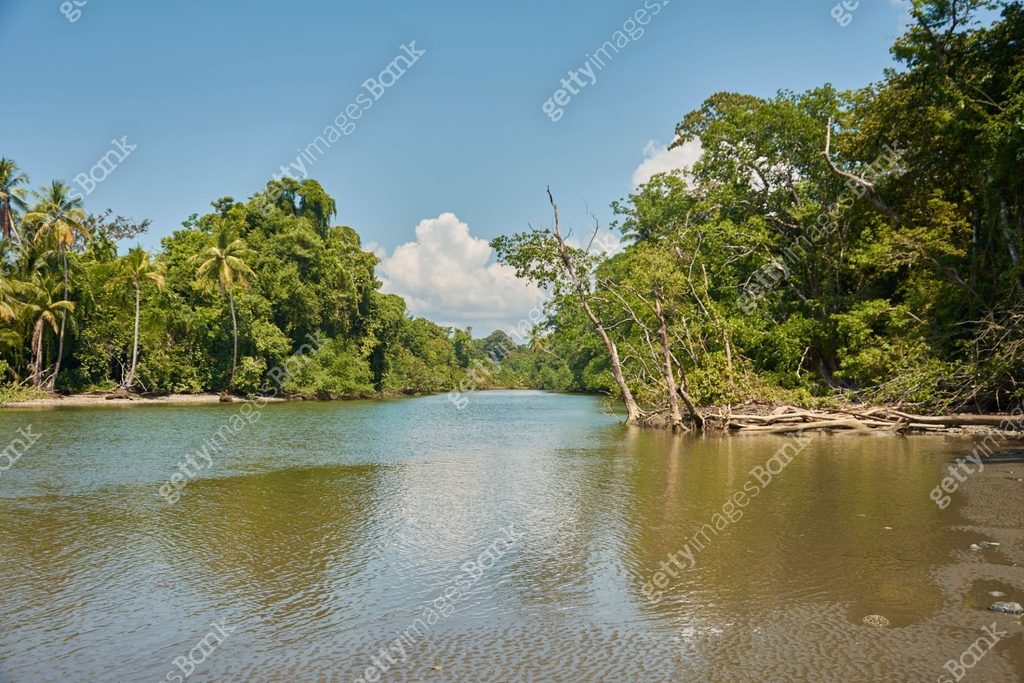
Stand near the riverbank during low tide to frame the intersection of the tannin-rich water and the Pacific Ocean. This spot is essential for those seeking corcovado overnight tour from puerto jimenez tours that focus on coastal landscape photography.
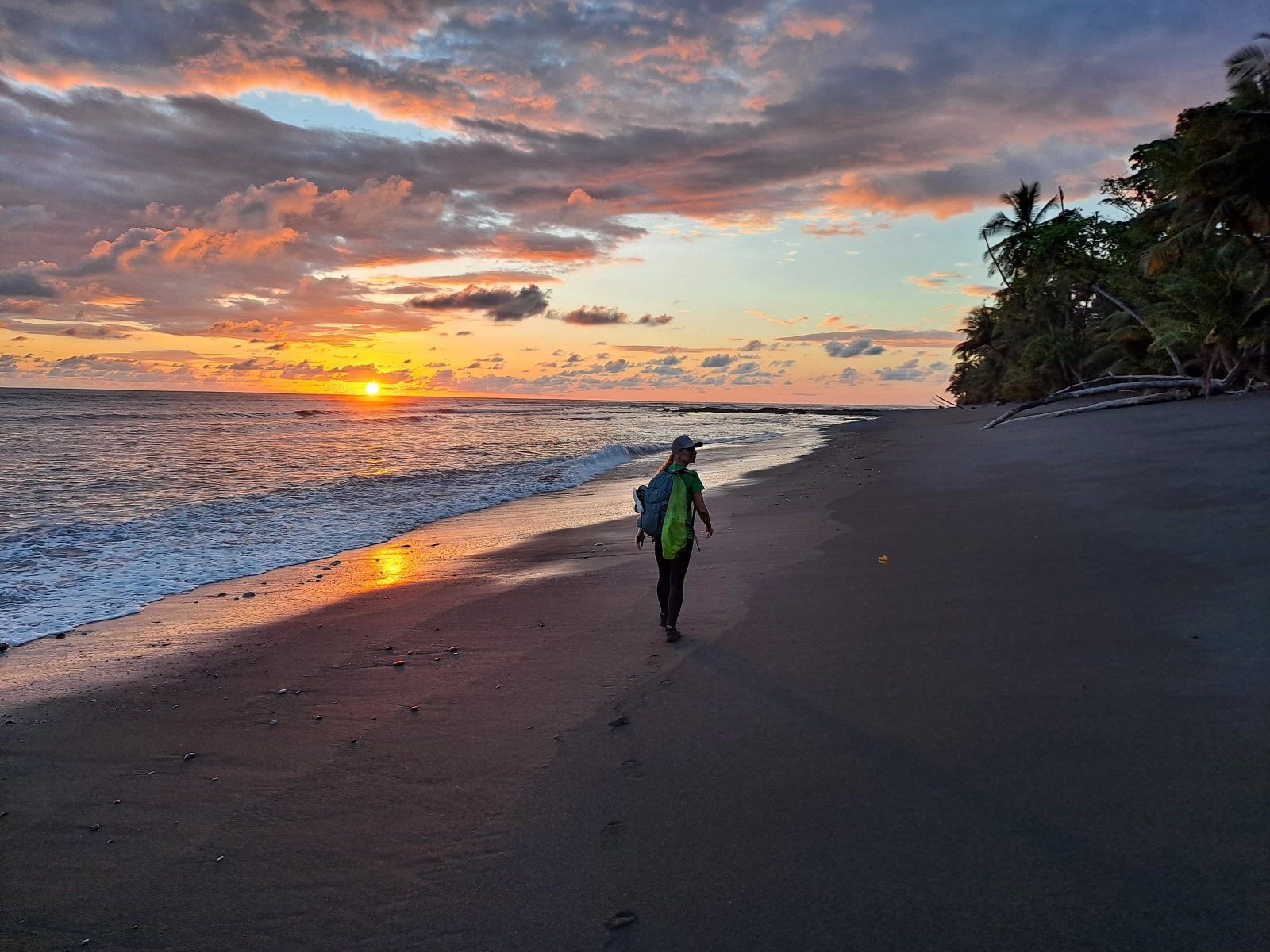
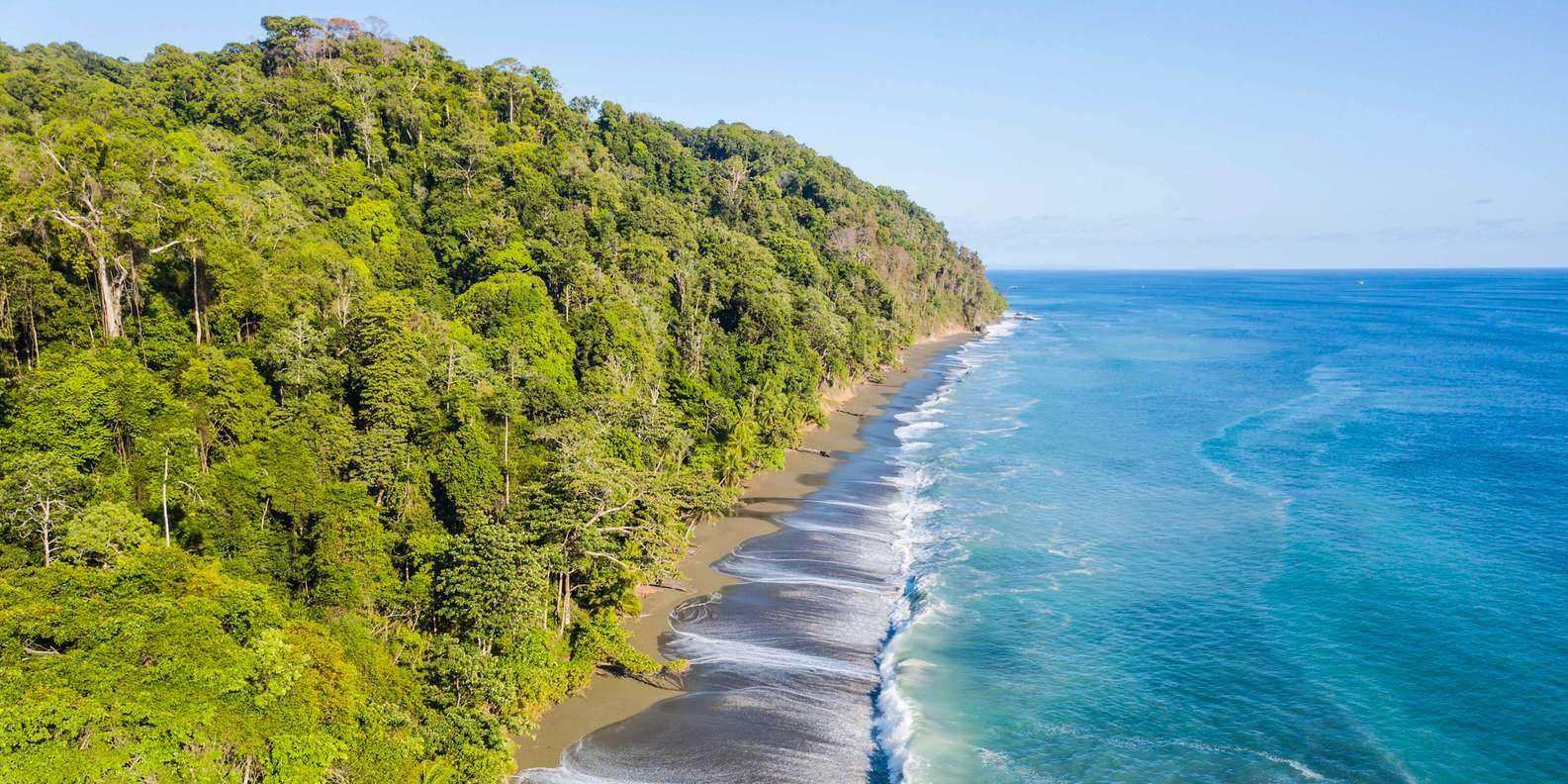
Capture the dense wall of greenery meeting the wide, empty sand expanses along this coastal path. Photographers often secure corcovado overnight tour from puerto jimenez tickets to access these remote corridors where tapirs frequently wander.
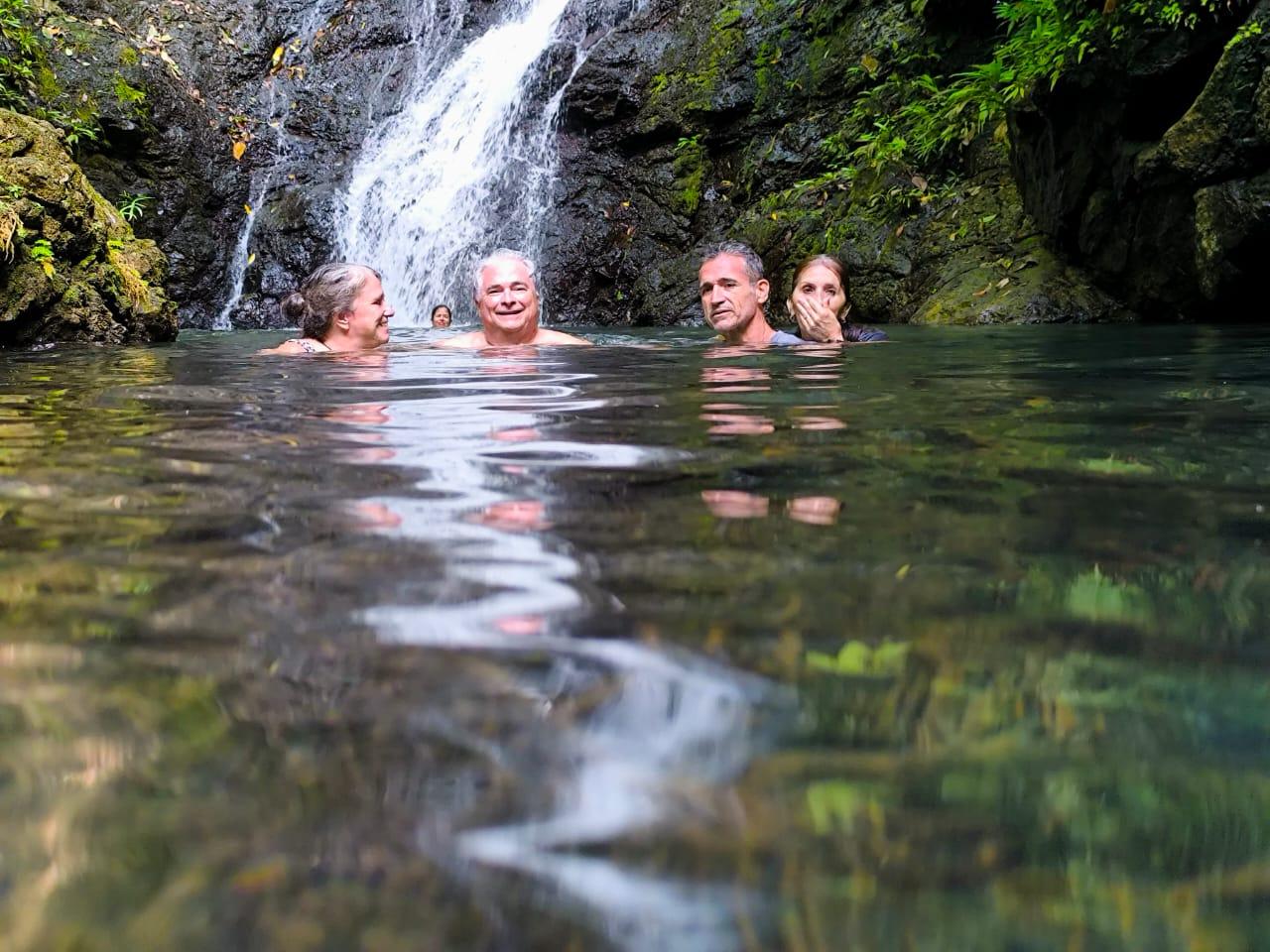
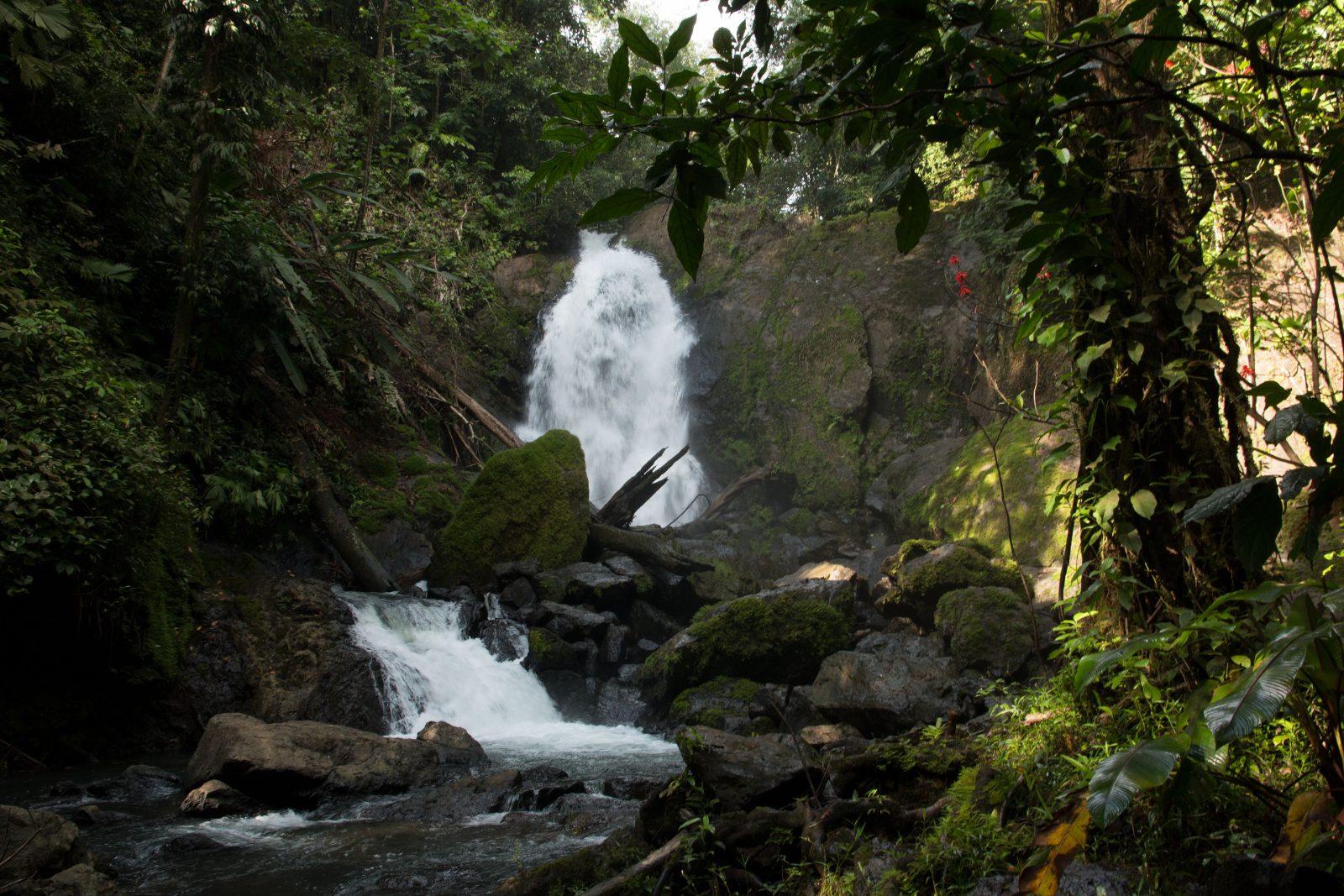
Focus on the cascading water framed by lush ferns and moss-covered rock faces found deeper in the forest. Booking a specific corcovado overnight tour from puerto jimenez tour often includes this destination as a highlight for macro nature shots.
Exploring the Osa Peninsula with your family is a unique educational opportunity, though choosing a corcovado overnight tour from puerto jimenez requires careful planning to match your children’s stamina with the wild terrain. While this primary rainforest is remote, kids are welcome to experience its biodiversity when you prioritize boat-in, boat-out options to Sirena Station.
While children are welcome, long hikes are best suited for teenagers; consider a boat-in, boat-out corcovado overnight tour from puerto jimenez to minimize trekking for younger ones. Infants under 3 travel free on laps, but parents must be prepared for the intense, humid climate and carry everything needed for the day.;Strollers and Carriers
Dining options are not available within the national park, so those booking a corcovado overnight tour from puerto jimenez must rely on pre-arranged meal packages provided by their guides. Since there are no public restaurants or street vendors, visitors should confirm dietary requirements with their tour operator before departing on their Osa Peninsula trekking adventure.
These meals are provided exclusively as part of overnight park packages and typically feature hearty, simple food suitable for hikers. Advanced notice is required for all dietary restrictions since logistics depend on transport from local Puerto Jimenez providers.
Located near the starting point of many corcovado overnight tour from puerto jimenez tours, this spot offers traditional Costa Rican casado dishes perfect for fueling up before your trip. It serves as a reliable pre-hike venue for those needing a substantial breakfast in the village.
Positioned for guests preparing for their corcovado overnight tour from puerto jimenez tickets, this establishment specializes in fresh seafood and local staples. It provides a convenient setting to organize group logistics before heading into the wilderness.
Everything you need to know for your journey
The park is open daily from 07:00–16:00.
Yes, all visitors must enter with an ICT-certified guide.
Most operators include the park permit and conservation fee in the cost of your corcovado overnight tour from puerto jimenez.
No, independent entry is not permitted; you must be accompanied by a guide for all hiking.
It is highly recommended to book your corcovado overnight tour from puerto jimenez 2 to 6 months in advance, especially for the dry season.
Most local hotels in Puerto Jimenez offer secure luggage storage for guests embarking on a corcovado overnight tour from puerto jimenez.
No, you generally cannot bring personal food; meals are usually provided by your tour operator or the station.
Refer to your specific operator's policy, but the 15 USD conservation fee is often non-refundable.
The conservation fee is 15 USD per person, per day.
Calm coastal waters ideal for kayaking and boat departures. Diverse marine life often visible from the shore.
A scenic coastal stretch near Puerto Jimenez perfect for quiet morning walks before your departure.
Waterfront lodging offering gear storage and parking for trekkers.
Sustainable jungle lodges providing pre-tour briefing services.
Join thousands of happy travelers who have discovered this incredible experience
Book Your Experience Now