8 hr
Corcovado Sirena Station Wildlife Trek with Boat Transfer
- Expert local guide
- Small group
- Skip-the-line access
Corcovado Day Trip from Puerto Jimenez — Guided Wilderness Expeditions
Walk the world's most biodiverse rainforest, where scarlet macaws paint the canopy and tapir trails cross muddy river deltas
Compare fares, pick the fit — all bookings are mobile-voucher and eligible for free cancellation where shown.
8 hr
8 hr
9 hr
Planning a corcovado day trip from puerto jimenez requires selecting the appropriate ranger station access for your wildlife interests. Visitors must navigate mandatory permit systems and guide requirements to experience this Osa Peninsula landmark.
|
Top pick Sirena Station Wildlife-Focused Access |
San Pedrillo Station Coastal Nature Hike | |
|---|---|---|
| Daily Permit Required | ||
| Certified Guide Mandatory | ||
| Standard Entrance Fee | 15 USD | 15 USD |
| Access Method | Boat transfer | Boat transfer |
| Best for | Wildlife sightings | General hiking |
| See tickets & prices |
Verdict: For the best chance to see tapirs and diverse fauna on your corcovado day trip from puerto jimenez, choose the Sirena Station option.
Worth it for wildlife enthusiasts and conservationists
A Corcovado day trip from Puerto Jimenez delivers one of Central America's highest-density wildlife encounters—tapirs, scarlet macaws, spider monkeys, and all four Costa Rican monkey species in a single morning. The 15 USD conservation fee supports ranger patrols and habitat protection across 103,000 acres of primary rainforest on the Osa Peninsula. Guided expeditions to Sirena Station or La Leona trail offer close-range sightings rarely matched elsewhere in Costa Rica. The effort—boat transfers, early starts, and humid trail conditions—pays off for travelers prioritizing rare species over comfort. Day hikes from Puerto Jimenez keep logistics manageable while accessing the park's most biodiverse zones. Casual visitors seeking air-conditioned wildlife viewing will find the heat and trail difficulty challenging, but serious naturalists consider Corcovado non-negotiable. Your entrance fee funds active conservation in one of the planet's most threatened ecosystems.
Bottom line: If you came to the Osa Peninsula for wildlife, the Corcovado day trip from Puerto Jimenez is the reason you're here.
The choice between these two gateways depends on your travel style; Puerto Jimenez offers superior infrastructure and road access, while Drake Bay serves as a more remote, boat-focused portal to the park's heart. A corcovado day trip from puerto jimenez tour is ideal for travelers who value town amenities, while those seeking raw, immersion-heavy nature often favor the western coast.
|
Top pick Puerto Jimenez |
Drake Bay | |
|---|---|---|
| Travel access | Road / Boat | Boat only (from Sierpe) |
| Primary vibe | Authentic town; shops; ATM | Secluded; rustic; nature-focused |
| Sirena station access | 90-minute boat ride | 60-minute boat ride |
| Transport flexibility | Drive yourself (La Leona) | Requires boat or small flight |
| Budget range | Moderate; varied options | Higher; premium remote pricing |
| Who it suits | Families; budget-conscious; hikers | Couples; wildlife photographers |
| See tickets & prices |
Verdict: If you prioritize ease of access and local services, a corcovado day trip from puerto jimenez tickets are your best bet, whereas Drake Bay is the preferred home base for those chasing the most remote wilderness experience.
Hand-picked experiences loved by thousands of travelers
10 hours
Free Cancellation
Discover incredible biodiversity on a guided trek through La Leona with wildlife spotting and lunch
7.5 hours
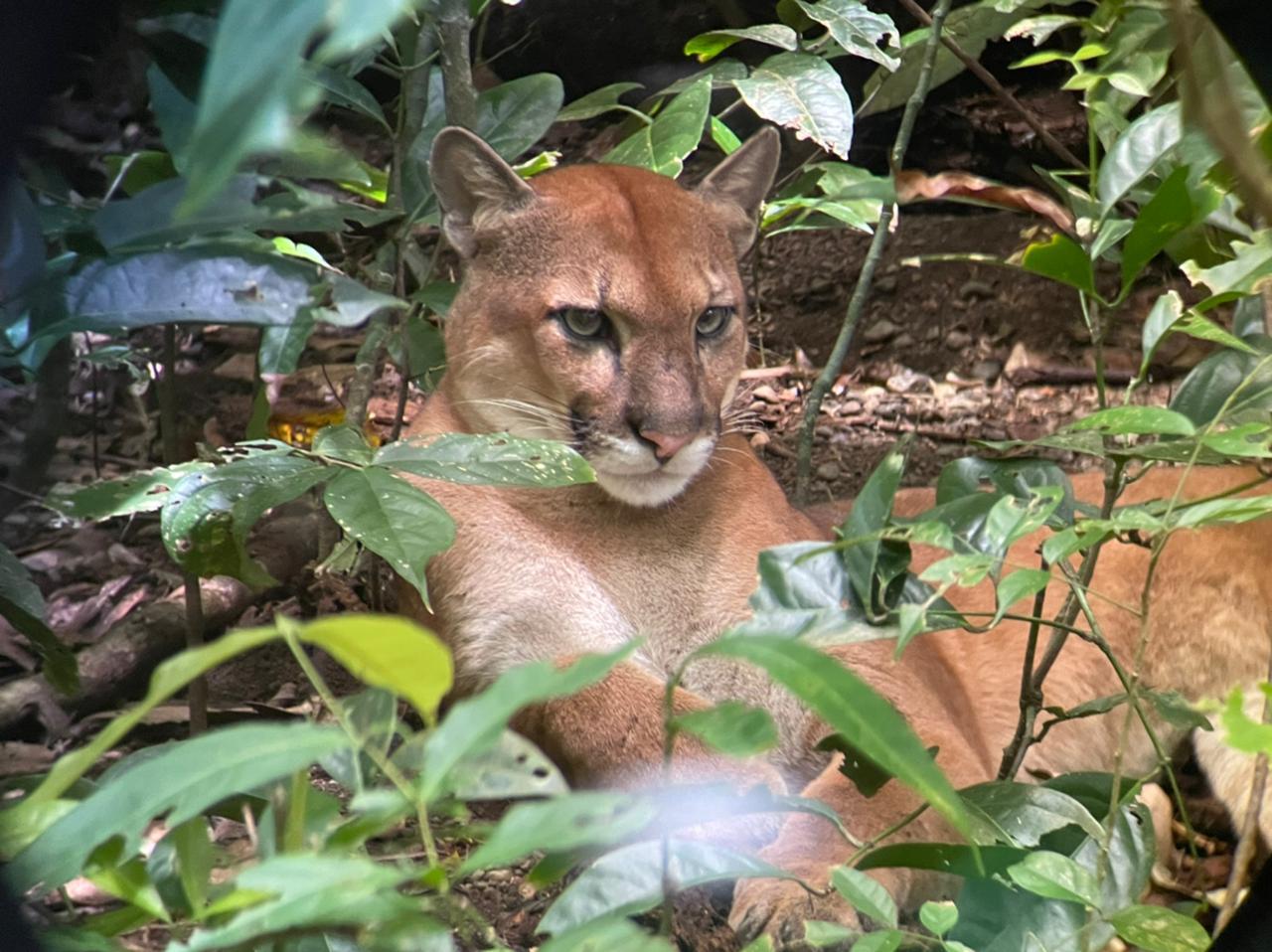
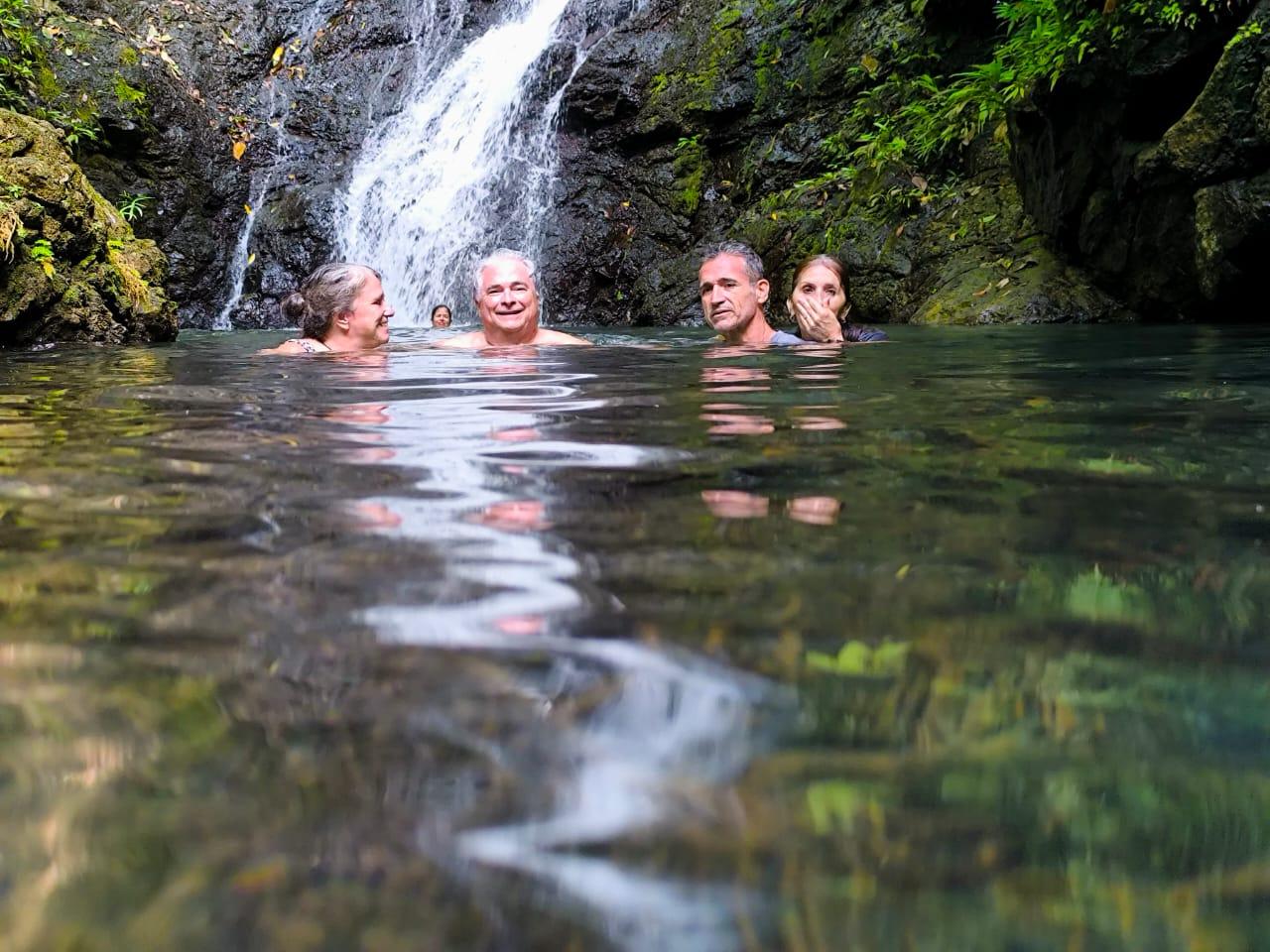
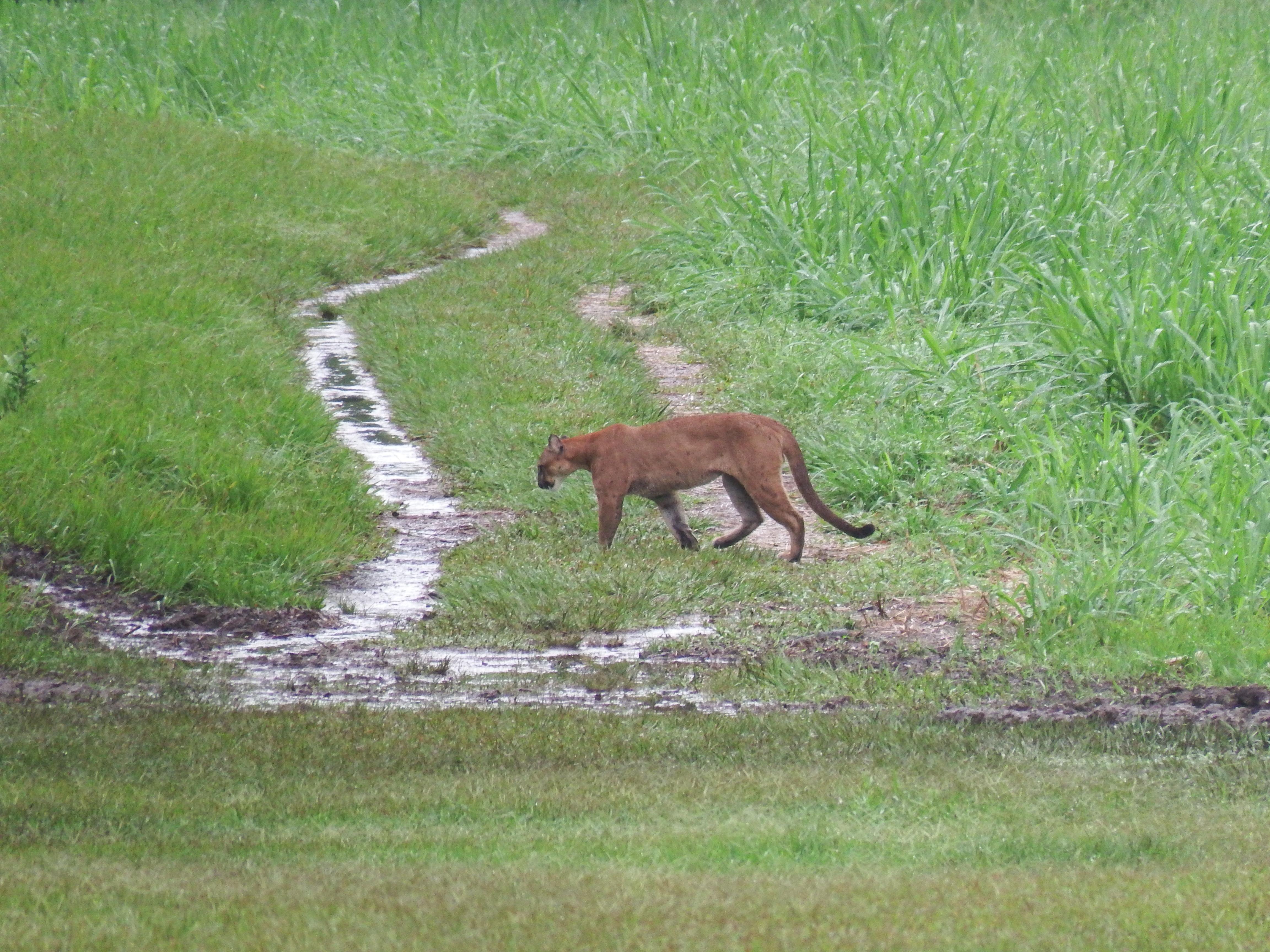
Journey through ancient rainforest where pumas roam and waterfalls cascade into crystal pools
8 hours
Free Cancellation
Navigate Costa Rica's Pacific coast to explore one of the planet's most wildlife-rich rainforests
5 hours
Free Cancellation
Witness dawn break over one of Earth's most biodiverse rainforests on this early morning expedition
2 days
Free Cancellation
Two-day immersive journey into Corcovado's pristine rainforest with wildlife encounters and expert-led treks
2 days
Experience Costa Rica's premier wildlife sanctuary on an unforgettable two-day jungle expedition
2 days
Free Cancellation
Intimate two-day escape into one of Earth's most biodiverse parks with overnight stay at Sirena Station
Register at the ranger station with your guide
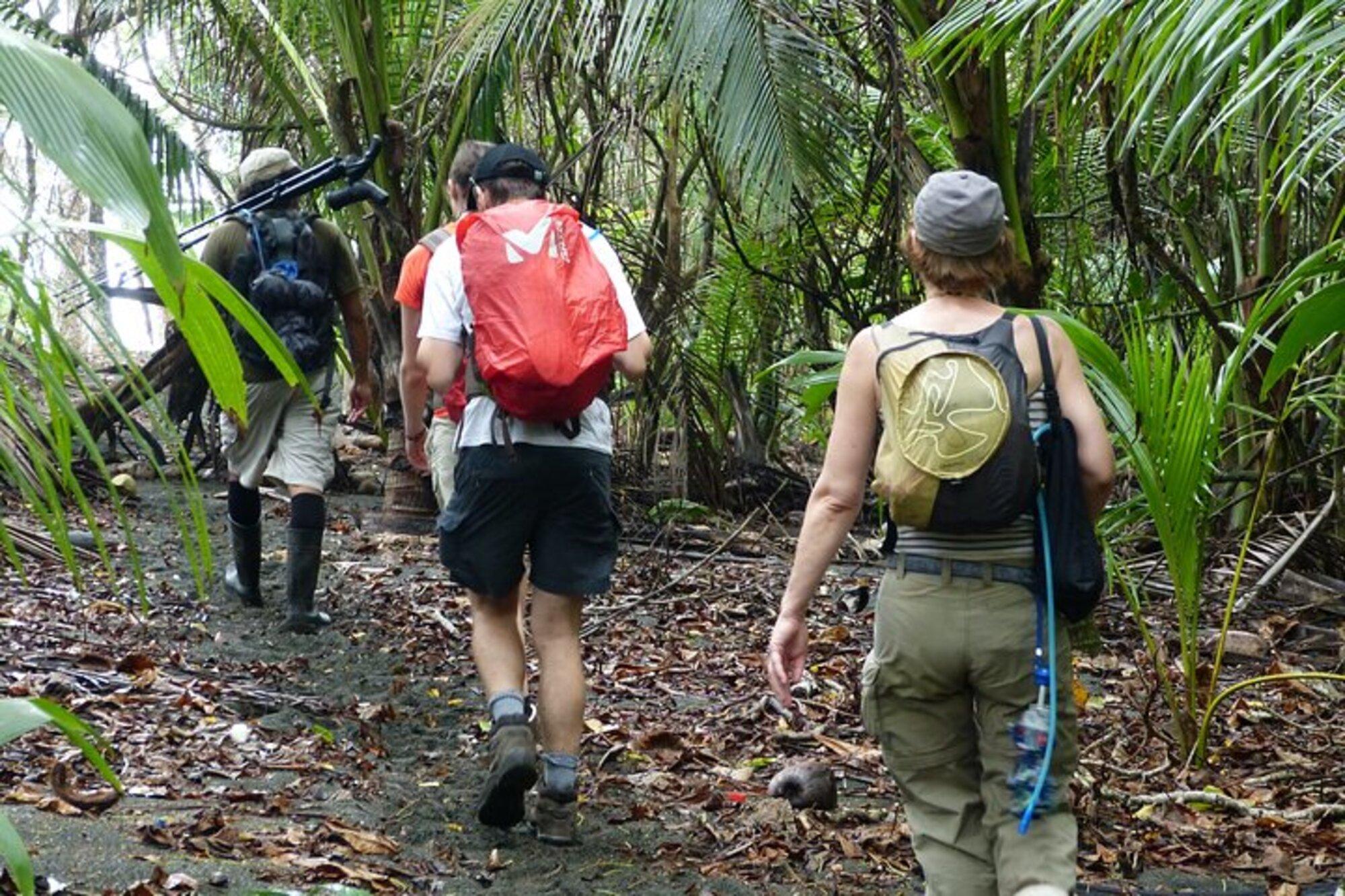
Trek through primary rainforest trails
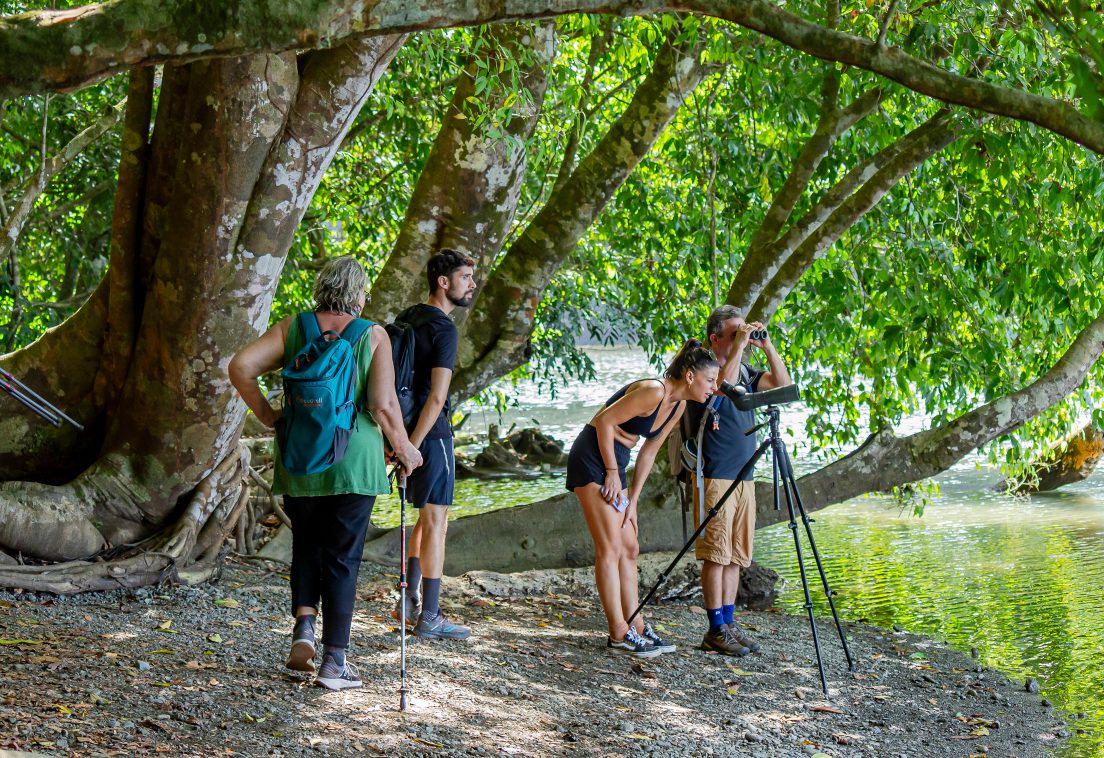
Observe primates and tropical birds
Boat or vehicle transit back to town
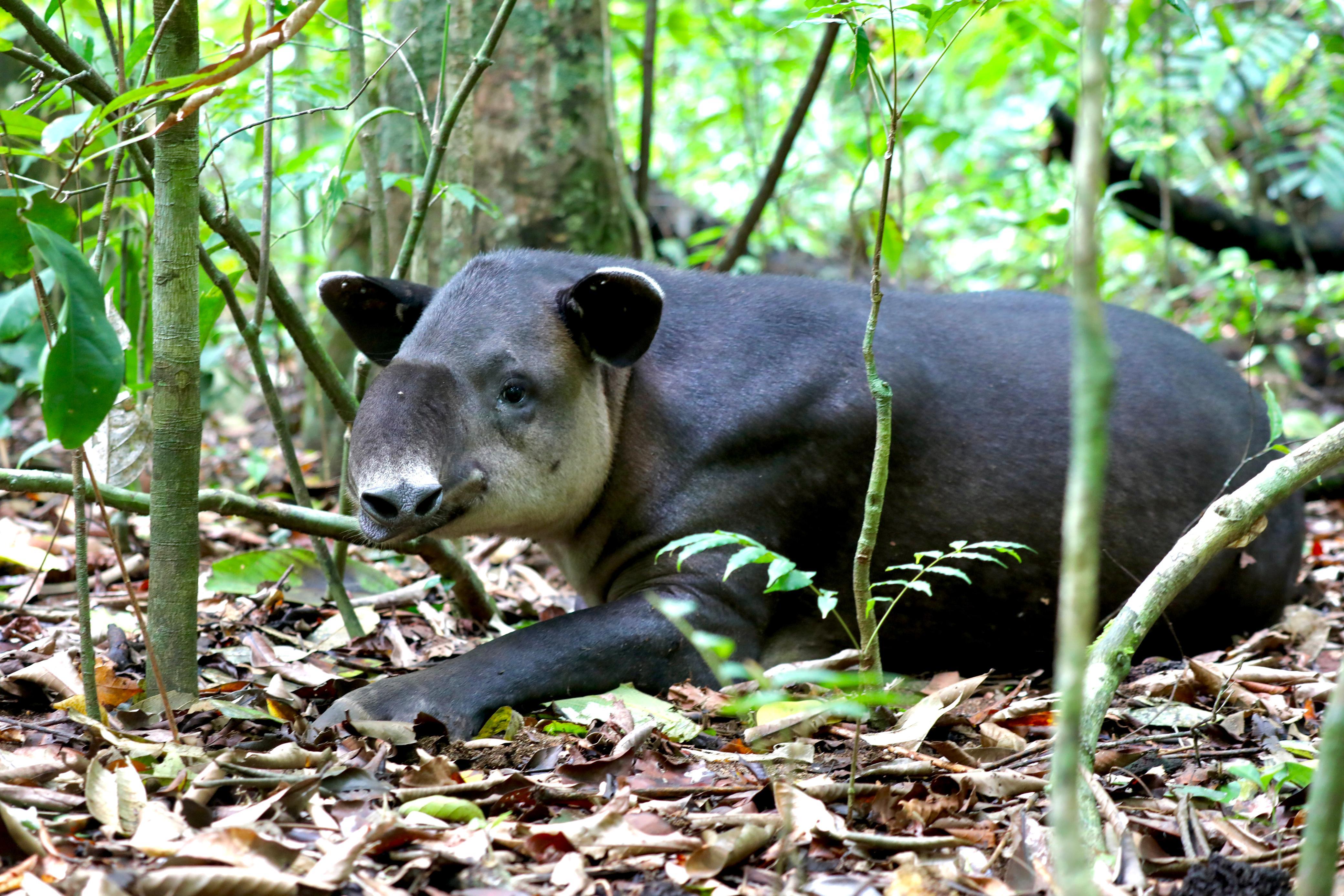
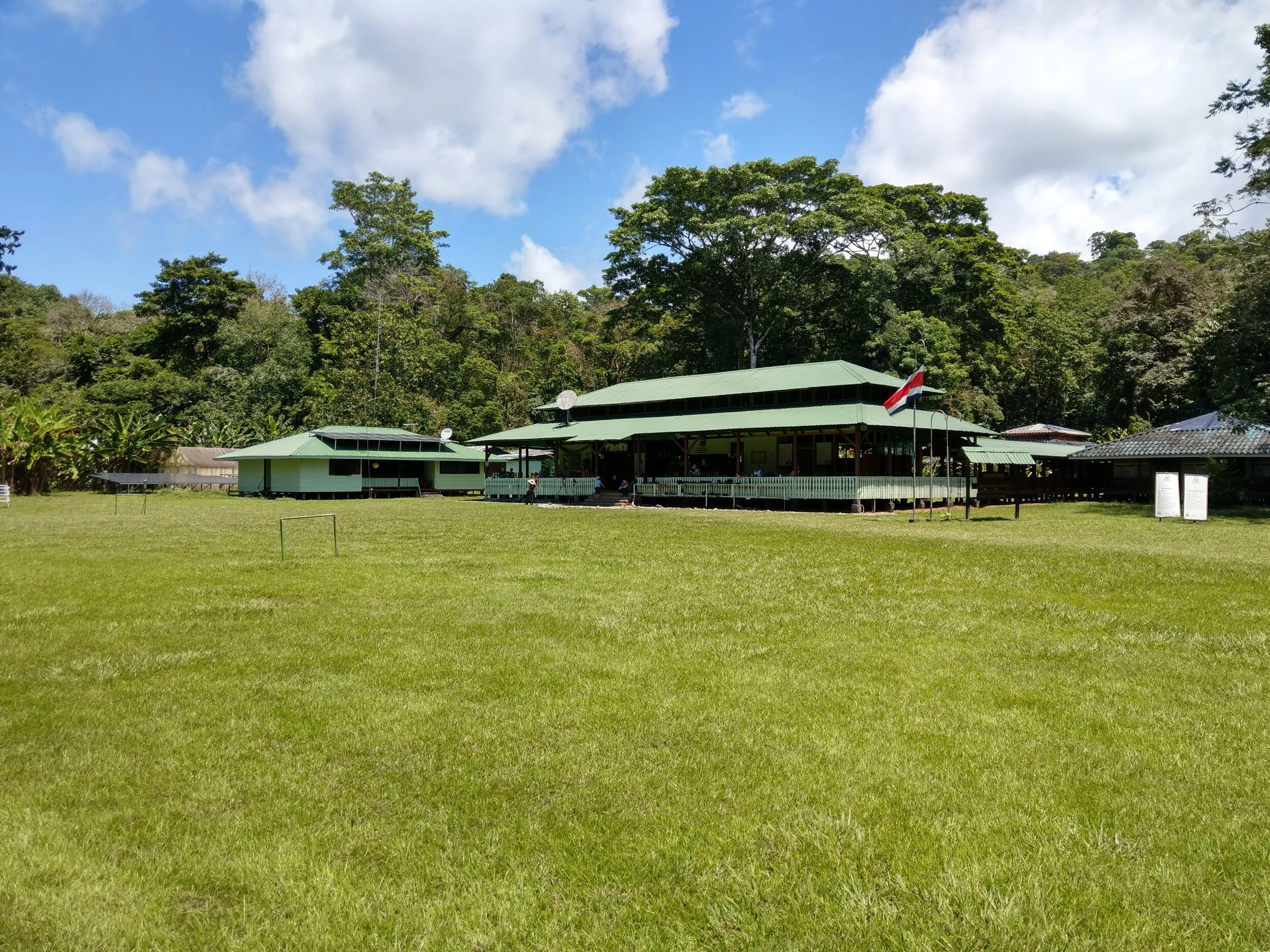
This serves as the central hub for biological research and wildlife observation inside the park. It is a prime location for spotting tapirs and peccaries in the surrounding forest.
Corcovado National Park
You board an open-hulled boat at dawn in Puerto Jimenez, the Golfo Dulce flat and silver under early light. The crossing to Sirena Station takes 90 minutes, dolphins occasionally surfacing in the boat's wake.
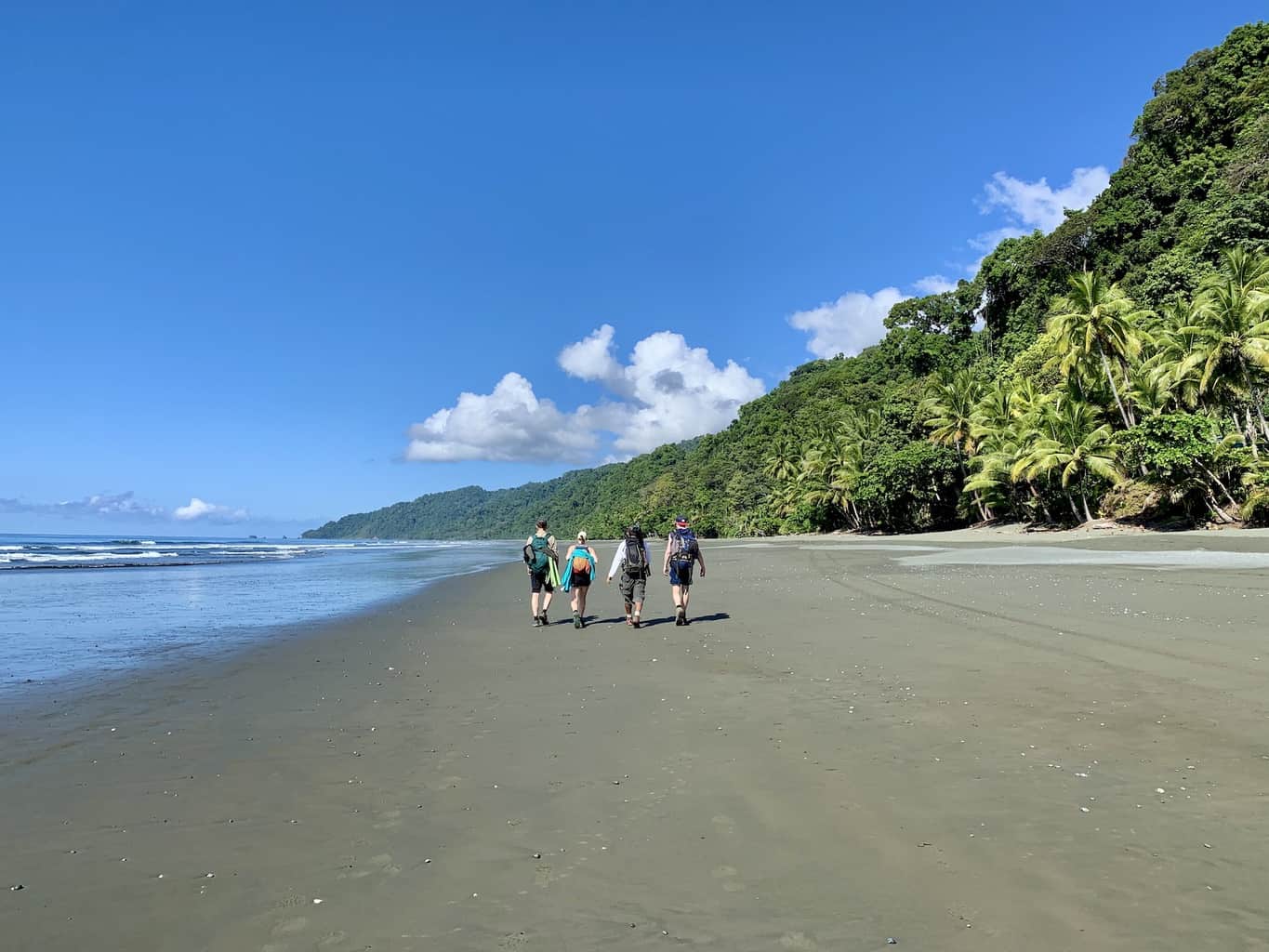
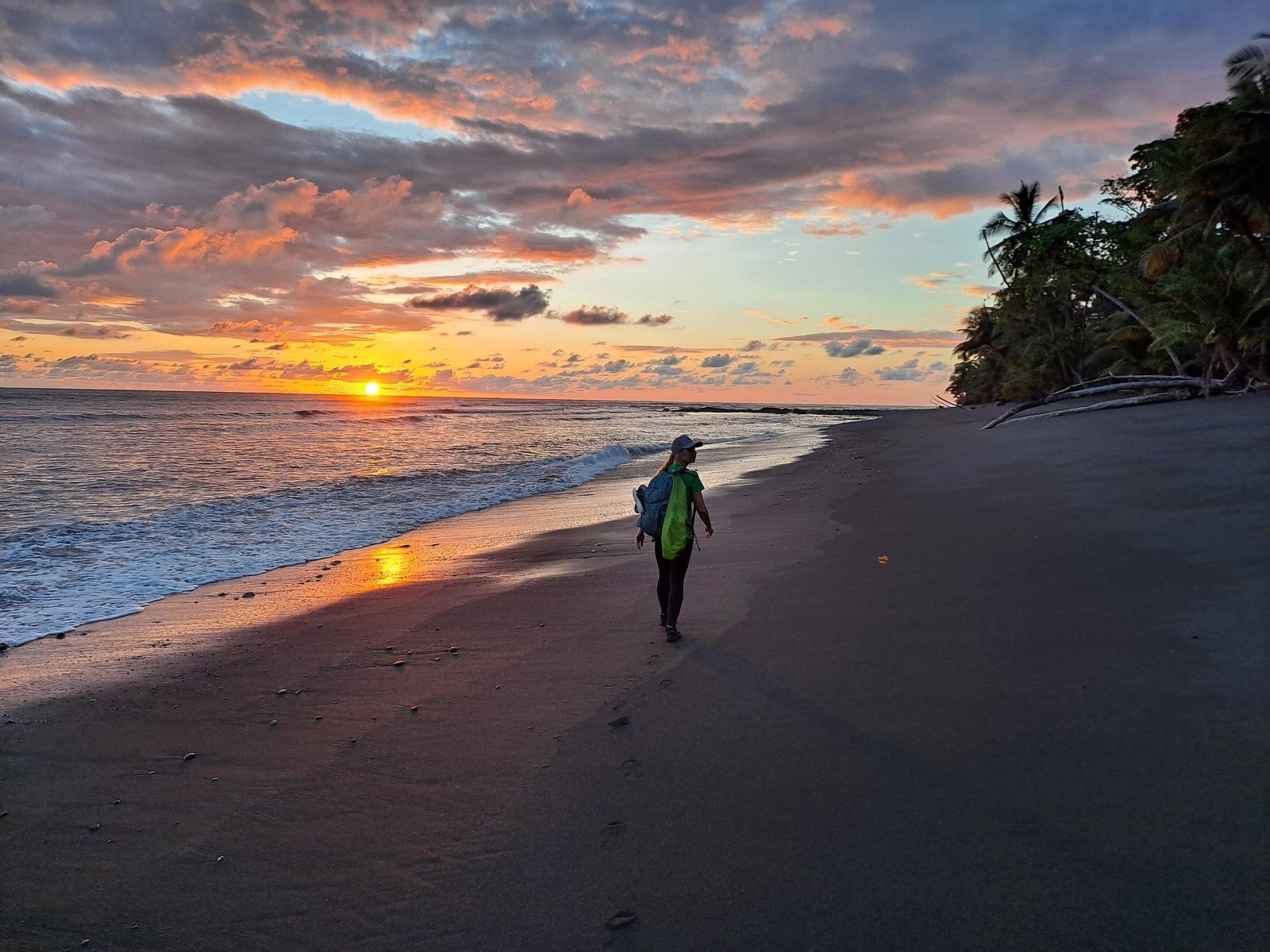
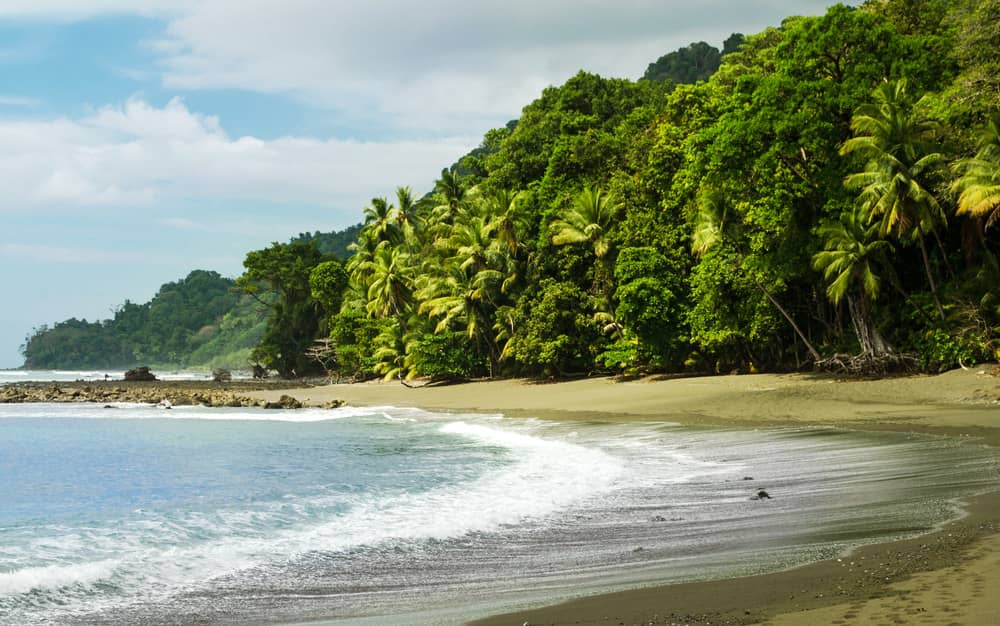
You step onto a sand-and-gravel beach where scarlet macaws screech from coconut palms, their crimson wings flashing against green. Your naturalist guide leads you inland on the Rio Claro trail, a boardwalk over black-water swamp where basilisk lizards sprint across the surface and white-faced capuchins rustle the understory.
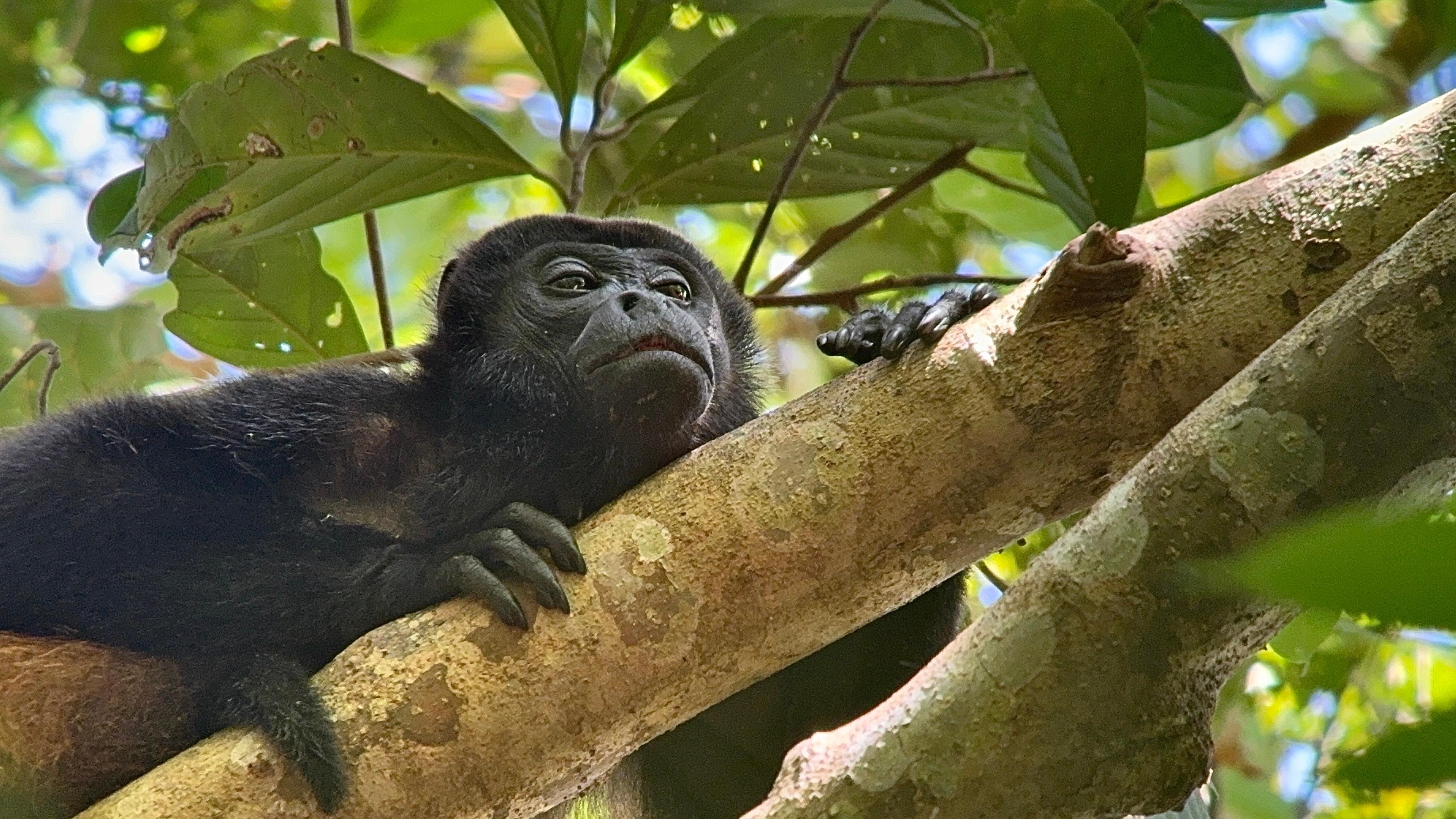
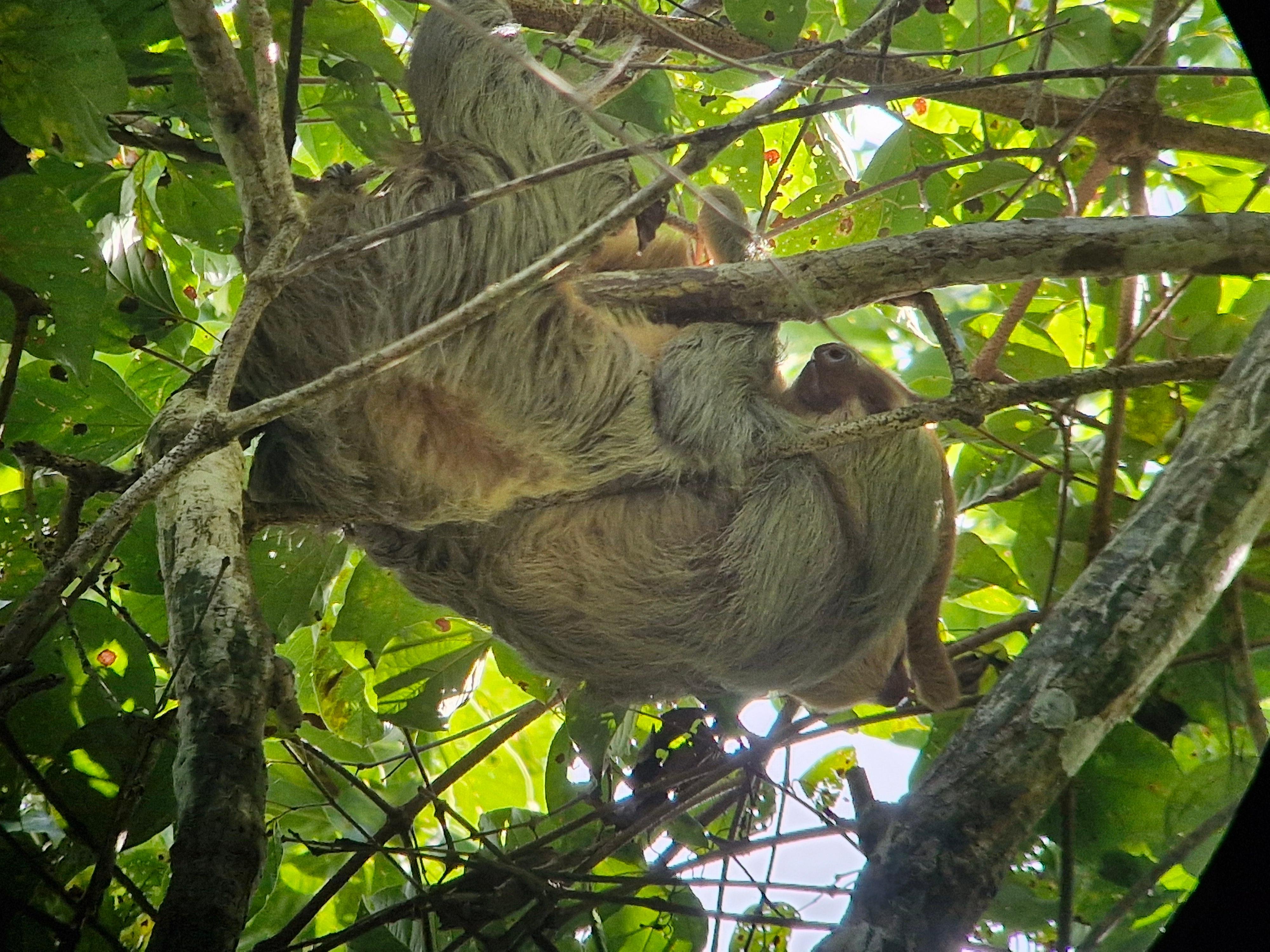
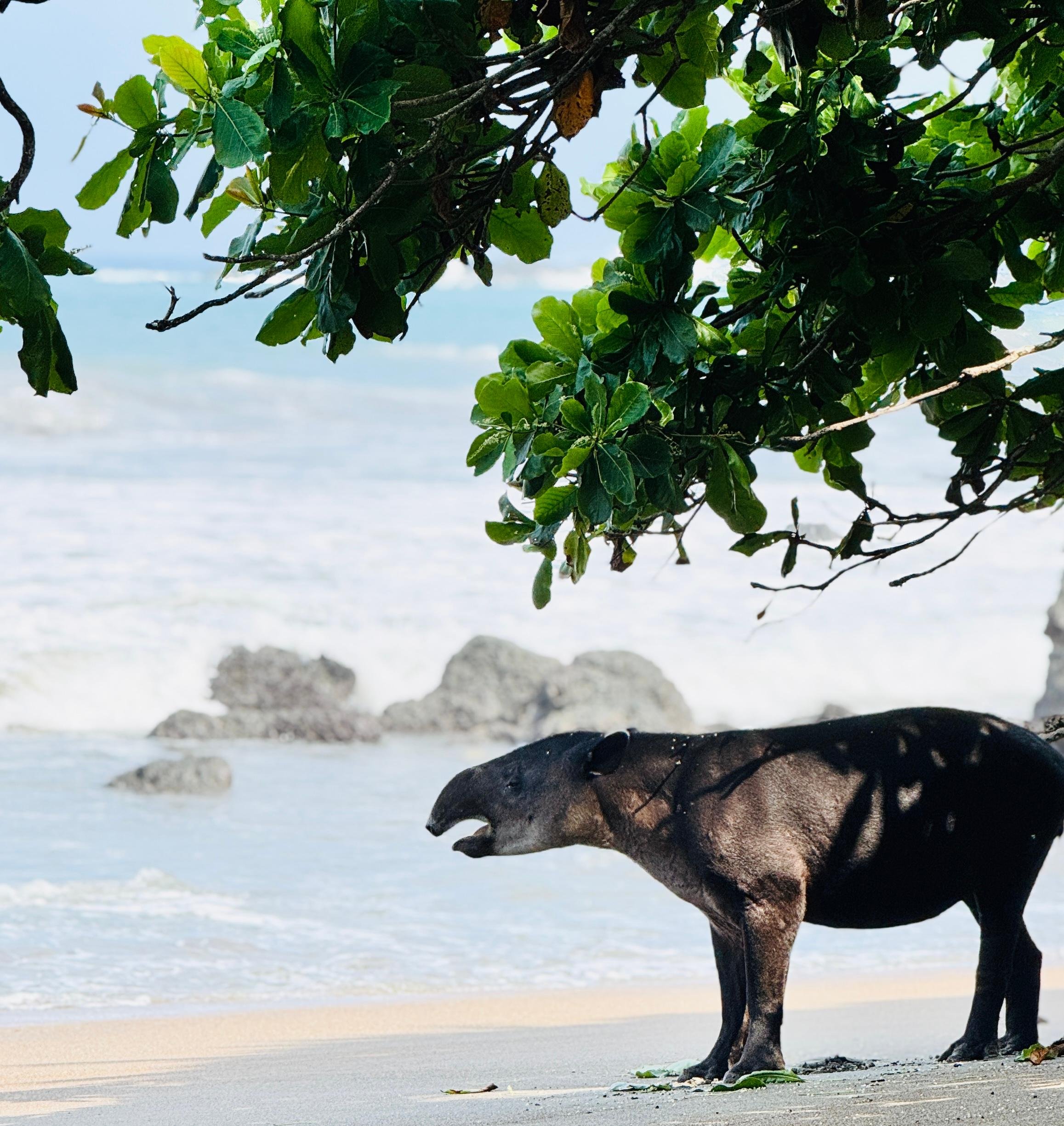
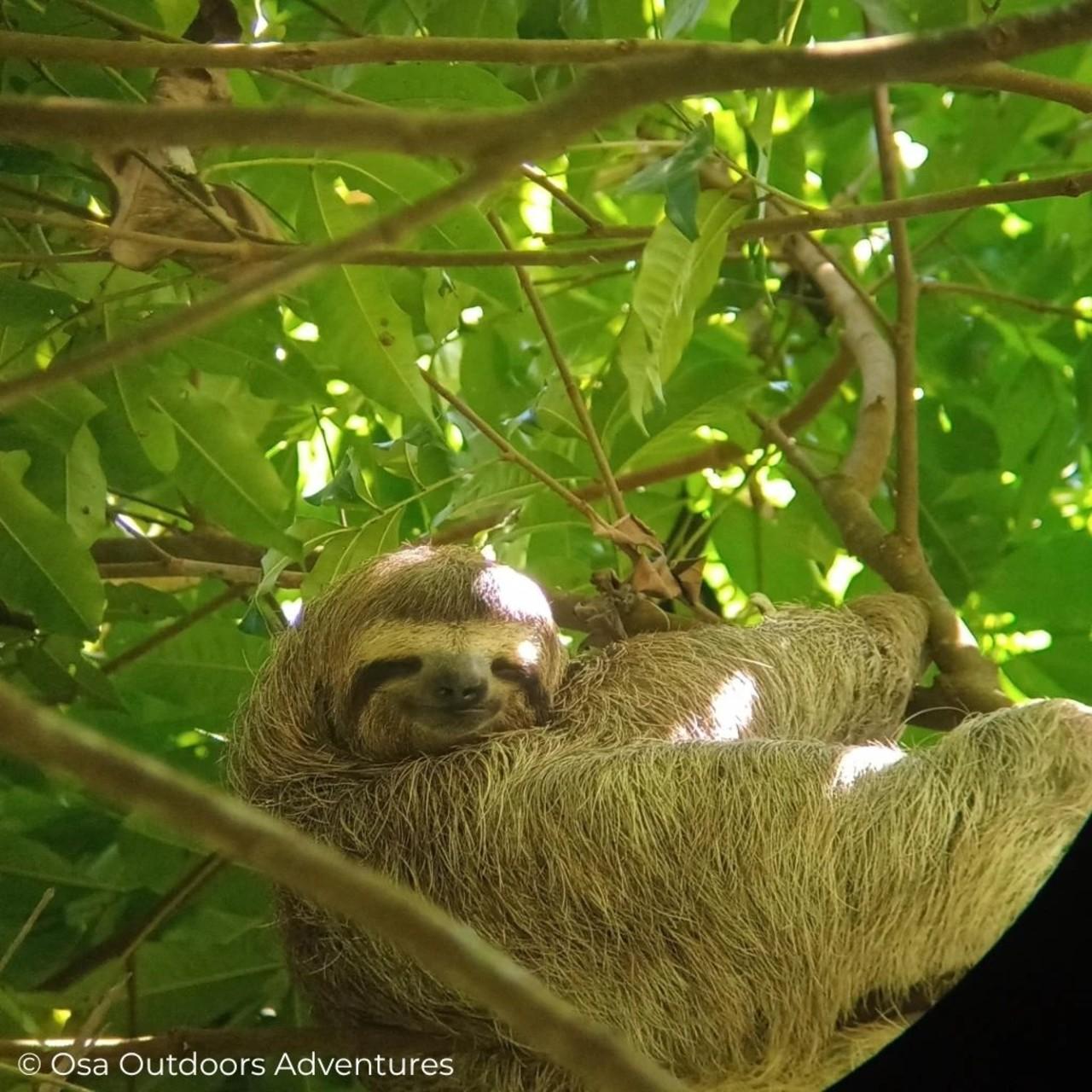
The forest hums with cicadas and distant howler monkey roars. You pause at a strangler fig whose aerial roots have consumed the host tree, leaving a hollow lattice tunnel you walk through. A coati troop crosses the trail twenty meters ahead, striped tails vertical. The guide points silently to a sloth motionless in a cecropia tree, its algae-streaked fur blending with lichen-covered bark. You continue to the Sirena River mouth, where a crocodile basks on a sandbar and herons stalk the shallows. The return hike skirts the beach, and you stop to watch a tapir emerge from the treeline to drink, its prehensile snout dipping into a tidal pool. By mid-afternoon you reboard the boat, clothing damp with humidity and mud, binoculars heavy with salt spray, the forest's density and silence still vivid.
All the details about your upcoming adventure in one place
Corcovado National Park protects 424 square kilometers of primary lowland rainforest on Costa Rica's Osa Peninsula, a region National Geographic once called "the most biologically intense place on Earth."
The park shelters 13 major ecosystems—mangrove swamps, coastal lagoons, alluvial plains, cloud forest ridges—compressed into a single landmass that rises from sea level to 745 meters at Cerro Rincón. More than 500 tree species crowd each hectare, and the forest canopy reaches 60 meters in the Sirena Basin, where centuries-old ceiba and espavel trees form a continuous green vault interrupted only by river corridors and natural treefalls.
Established in 1975 to halt logging and agricultural expansion, Corcovado remains one of Central America's last intact wilderness strongholds. The park's isolation—accessible only by boat, small aircraft, or multi-hour hikes through roadless buffer zones—has preserved populations of species extirpated elsewhere: Baird's tapir, jaguar, white-lipped peccary, harpy eagle. Four resident troops of spider monkeys traverse the Sirena sector, and researchers have documented over 400 bird species, including great curassows, crested eagles, and the endemic turquoise cotinga. Scarlet macaws nest in beach almond trees along the coastline, their raucous calls audible a kilometer inland. The park's coastal fringe protects critical nesting beaches for four sea turtle species, and bull sharks patrol the freshwater reaches of the Sirena River during high tides.
Corcovado day trip from Puerto Jimenez ticket options converge on three staffed ranger stations: Sirena, the park's biological heart and most wildlife-rich zone, reachable by boat across the Golfo Dulce; La Leona on the southern boundary, a five-kilometer beach approach from Carate; and San Pedrillo on the northern coast, accessed by marine transfer from Drake Bay or Uvita. Each station anchors a distinct trail network. Sirena's Rio Claro loop penetrates swamp forest where poison dart frogs cling to heliconia stalks and caimans sun on gravel bars. La Leona's inland trails cross alluvial terraces favored by tapirs, whose three-toed tracks pock the mud after night rains. San Pedrillo's coastal route threads boulder-strewn coves where brown pelicans dive and tide pools hold octopuses and spotted moray eels. All routes require certified naturalist guides—a park regulation since 2014—who interpret animal behavior, identify medicinal plants, and enforce low-impact protocols that limit daily visitor numbers to preserve the forest's ecological integrity.

National Geographic once called the Osa Peninsula 'the most biologically intense place on Earth.'
Wear moisture-wicking, breathable clothing suitable for tropical hiking. Sturdy, closed-toe hiking boots are necessary for muddy trails.
Use waterproof dry bags for electronics and personal belongings. Security personnel may check bags at the park entrance station.
Photography is permitted, but flash usage is restricted near wildlife. Please maintain a respectful distance from all animals.
Children must be closely supervised at all times due to dense forest and wildlife. Consult your guide regarding age-appropriate routes.
The terrain is rugged, uneven, and often involves river crossings. Visitors must possess a high level of physical fitness for this Corcovado National Park experience.
Bring reusable water bottles and pack out all trash. Consumption of food is restricted to designated areas assigned by the park ranger.
Opening hours
07:00–16:00
Address
Osa Peninsula, Puntarenas Province, Costa Rica
Entry requirement
Guided tour mandatory for national park access
Best arrival window
07:00–10:00
Navigation
Local guides provide transit from Puerto Jimenez
Boat
Take a water taxi from the Puerto Jimenez pier to the Sirena Ranger Station. This provides a scenic view of the coastline and takes approximately 1 hour.
Cancellations must be requested according to the specific tour operator's terms. Conservation fees of 15 USD per person per day are non-refundable once processed by SINAC.
Recommended time
Full day (6-8 hours)
Planning a corcovado day trip from puerto jimenez requires adhering to the 07:00–10:00 arrival window, as wildlife activity peaks before the tropical heat intensifies. Boat transfers from this Osa Peninsula gateway are tide-dependent, often dictating the total duration of your guided nature hikes. Securing corcovado day trip from puerto jimenez tickets early is essential for managing your entrance fee of 15 USD, while corcovado day trip from puerto jimenez tour groups generally disperse as the afternoon rain clouds approach.
Crowd levels through the day
Weather · crowds · average price — dots go green to amber to red as each metric rises.
March offers dry weather perfect for spotting tapirs on the beach. Wildlife is active near water sources as temperatures climb.
Expect afternoon showers that clear quickly by the next morning. July and August are excellent for birdwatching.
September experiences higher humidity and more rainfall. Trails may be muddy but the forest is vibrant and lush.
December through February provides clear skies and moderate humidity. This is the peak season for international travelers.
Drink water consistently throughout the hike to manage tropical heat. Forest humidity causes rapid fluid loss.
Main street, Puerto Jimenez
Primary boarding area for boat-based tours
Get directionsCorcovado National Park emerged from Costa Rica's conservation awakening in the 1970s. President Daniel Oduber Quirós signed the decree establishing the 41,788-hectare reserve on October 31, 1975, protecting the Osa Peninsula's lowland Pacific rainforest from logging companies that had been clear-cutting mahogany and cedar since the 1960s. The park absorbed earlier protected zones including the Corcovado Forest Reserve, declared in 1963 but poorly enforced. By 1975, timber extraction had already fragmented large tracts near the coast. The government compensated landowners and relocated squatter settlements, including the gold-mining camps at La Tarde and Los Patos, which had operated since the 1930s. National Geographic called Corcovado "the most biologically intense place on Earth" in a 1983 article, drawing international attention and early ecotourists who arrived by boat or light aircraft. Puerto Jimenez became the primary gateway for corcovado day trip from puerto jimenez expeditions in the 1980s after the park service formalized four ranger stations—Sirena, San Pedrillo, Los Patos, and La Leona. Sirena, a former airstrip built by the United Fruit Company in the 1940s, converted to a research station in 1977. The company had abandoned the site after a failed cacao plantation project. Early access required multi-day treks or chartered flights. The 1990s brought improved trails and the compulsory guide regulation in 1996, following two fatal jaguar encounters near Sirena in 1994 and 1995. Tour operators in Puerto Jimenez standardized single-day excursions to La Leona and Los Patos, avoiding the overnight logistics required for Sirena. Hurricane Cesar damaged coastal trails in July 1996, forcing temporary closures. The park restricted daily visitor numbers to 1,200 in 2014, distributed across all entry points, to limit ecological impact on nesting sea turtles and tapir corridors.
Corcovado Forest Reserve declared but weakly enforced against logging operations.
President Oduber establishes Corcovado National Park on October 31, relocating miners and settlers.
Sirena research station opens on abandoned United Fruit Company airstrip from the 1940s.
National Geographic features Corcovado, accelerating international ecotourism interest.
Park mandates licensed guides after two fatal jaguar incidents; Hurricane Cesar closes trails.
Daily visitor cap of 1,200 introduced across all ranger stations to protect wildlife corridors.
This elevated platform offers a direct view of the clearing where tapirs and peccaries frequently forage. Stand near the wooden railings to capture wildlife against the backdrop of the dense primary rainforest canopy during your corcovado day trip from puerto jimenez.
Planning a corcovado day trip from puerto jimenez requires careful preparation to ensure young explorers stay energized during humid rainforest treks. Navigating this remote Osa Peninsula landmark involves boat transfers and varied terrain that demand physical readiness for family members.
The trails are rugged and uneven, making them unsuitable for strollers; choose a carrier for infants or toddlers.
This excursion is best suited for children aged seven and older who can manage sustained walking in high heat.
Getting on and off boats requires jumping into shallow water, so ensure kids wear secure footwear and parents are ready to assist with balancing.
To maximize wildlife sightings before midday heat and afternoon rain, aim for the best arrival window of 07:00–10:00.
Public restrooms are very limited within the park, so use facilities in Puerto Jimenez before departure and bring adequate hydration.
Always stay within arm's reach of your guide when viewing biodiversity to ensure children remain on marked paths.
Since there are no dining facilities within the wilderness, visitors planning a corcovado day trip from puerto jimenez should secure supplies in town. Most travelers opt to pick up provisions from local markets or bakeries before departing for their corcovado day trip from puerto jimenez tours.
A reliable stop for fresh empanadas and baked goods ideal for a portable lunch. It is highly popular with guides before they start a corcovado day trip from puerto jimenez tour.
Offers traditional Costa Rican casados that can often be packed to-go for your excursion. This venue is a staple for those securing corcovado day trip from puerto jimenez tickets through local outfitters.
This large supermarket stocks essential snacks, fruit, and bottled water for your hike. It serves as the main hub for supplies near the Osa Peninsula, Puntarenas Province, Costa Rica.
Everything you need to know for your journey
The park is open daily from 07:00–16:00. This standard schedule applies to all visitors entering the protected area.
The conservation fee is 15 USD per person per day for foreign adults. Confirm if your booking includes this in the final price.
No, local regulations mandate a certified guide for all access to Corcovado National Park. This ensures wildlife safety and trail navigation.
Prohibited items include single-use plastics, drones, and alcohol. Review the full prohibited list before departing from Puerto Jimenez.
Arrive between 07:00–10:00 to see more wildlife before the midday heat. This window is essential for successful viewing at Corcovado National Park.
Most tour operators do not provide lockers, so bring only what you can carry. Store extra luggage at your accommodation in Puerto Jimenez.
Yes, families can visit, but the terrain is challenging for young children. Consult your tour provider for a suitable corcovado day trip from puerto jimenez tour itinerary.
The park is not accessible for visitors with limited mobility due to steep, rugged terrain and river crossings. Discuss physical requirements with your guide.
Tickets for Corcovado National Park can be arranged via the official site or through certified tour operators in Puerto Jimenez.
A serene beach with golden sands and coastal vegetation. Ideal for walking before or after your Corcovado National Park trip.
The central hub featuring local markets and restaurants. Essential for gathering supplies before excursions.
Eco-lodge situated in a private reserve overlooking the ocean.
Full-service resort near the town docks.
Comfortable lodging located centrally in Puerto Jimenez.
Join thousands of happy travelers who have discovered this incredible experience
Book Your Experience Now